In recent years, the question "are lithium golf carts better than lead acid ones" has gained significant attention. Industry reports indicate a growing trend towards lithium batteries, driven by their efficiency and cost-effectiveness. According to a study by the Electric Power Research Institute, lithium batteries can last up to five times longer than traditional lead-acid options. This longevity translates to lower replacement costs and reduced maintenance.
Additionally, lithium golf carts offer increased performance. They typically provide higher energy density, resulting in a longer range on a single charge. This is particularly beneficial for golf courses that require extended use. However, some users have raised concerns about the initial purchase price. While lithium carts may have a higher upfront cost, the total cost of ownership is often lower in the long run.
As the industry evolves, it is essential to reflect on these dynamics. Not all users may need the advanced features of lithium technology. Some golfers may prefer simpler, more affordable lead-acid carts that adequately meet their needs. Ultimately, the decision hinges on individual preferences and use cases.
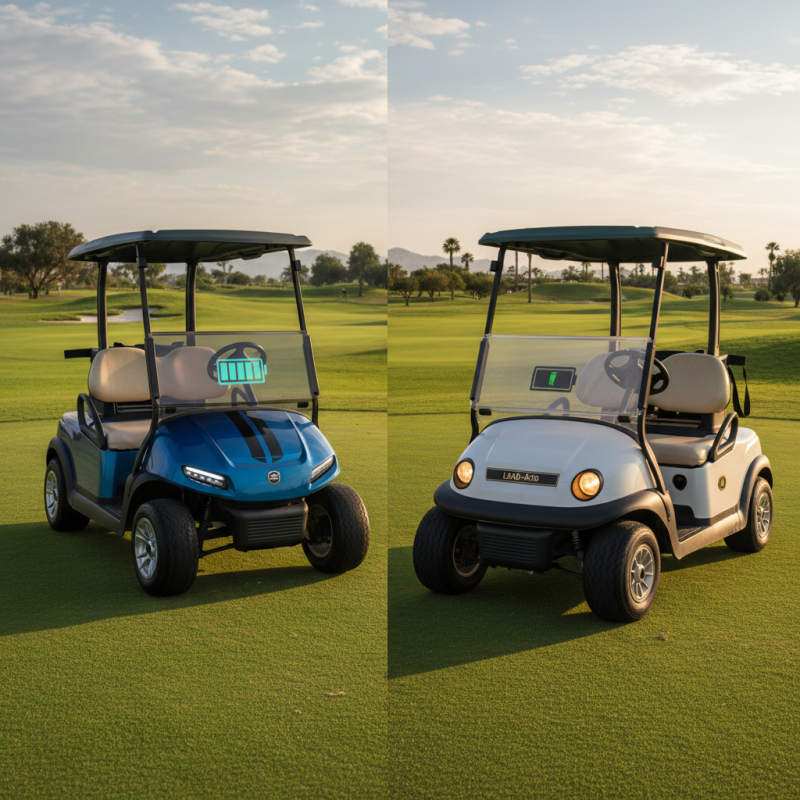
Lithium golf carts have become a hot topic in the industry, especially with the rise of electric vehicles. In 2026, many are seeing them as the superior choice over traditional lead-acid options. These lithium batteries generally weigh less and offer better energy density. According to recent industry reports, lithium batteries can provide up to 2000 charge cycles, compared to just 500 for lead-acid. This longer lifespan enables users to save on replacement costs.
One significant advantage of lithium batteries is their faster charging time. They can recharge in about 2-4 hours, while lead-acid batteries often take up to 8-12 hours. This quick turnaround can be a game changer for golf courses or users needing consistent availability. Moreover, lithium batteries maintain their performance throughout their discharge, ensuring efficiency until depleted.
However, it's crucial to acknowledge that initial costs for lithium models are significantly higher. While the long-term savings may outweigh the upfront expenses, not every user can justify the investment. Additionally, the environmental impact of lithium mining raises ethical questions. Balancing these factors is essential when considering which option is better for individual needs.
In recent years, lithium golf carts have gained popularity over traditional lead acid options. A key factor driving this shift is the cost considerations associated with both types of batteries. While lithium carts typically have a higher initial investment, their longevity often compensates for this upfront cost. A lithium battery can last up to five times longer than lead acid. This longevity translates into reduced replacement costs over time.
On the other hand, lead acid batteries are cheaper to purchase initially. However, they require more frequent replacements, leading to higher long-term expenses. Maintenance costs also come into play. Lithium batteries often require less maintenance, offering a hassle-free ownership experience. Yet, they can be sensitive to extreme temperatures, which may affect their performance.
Depending on your usage, the choice between lithium and lead acid golf carts may not be straightforward. Your specific needs, budget, and intended use should guide your decision. It’s essential to weigh both short-term and long-term savings realistically. Balancing the initial investment against potential savings requires careful planning and consideration. This can be a challenge, but informed choices lead to better outcomes.
When comparing lithium golf carts to lead-acid options in 2026, significant differences emerge in terms of performance. Lithium batteries typically offer faster speeds. While lead-acid carts may top out at 15 mph, lithium models can soar to 25 mph. This boost in speed is essential for golf courses with long stretches between holes.
Range is another critical aspect. Lithium carts can cover up to 100 miles on a single charge. In contrast, most lead-acid carts last only 40 to 50 miles. This enhancement is crucial for extended use, especially in larger courses. Lithium options require less frequent charging, leading to greater efficiency.
Tips: Consider your specific needs before choosing a battery type. If you play frequently, lithium might be worth the upfront investment. Also, think about maintenance costs. Lead-acid batteries often need replacing every few years, while lithium ones last much longer. Always evaluate your golf cart’s intended usage to maximize efficiency. A thoughtful choice today can save time and money for the long term.
The environmental impact of battery technologies is crucial in 2026.
Lithium batteries present advantages over lead-acid alternatives. Lithium-ion batteries are lighter, more compact,
and offer longer lifespans. According to a report from the International Energy Agency (IEA), lithium batteries can
last up to 10 years, while lead-acid batteries often require replacement every 3-5 years. This longevity leads to
lower waste and a smaller carbon footprint over time.
However, the production of lithium batteries raises questions about environmental sustainability. The mining process
for lithium involves significant water usage and habitat disruption. In contrast, lead-acid batteries are often
more easily recycled. The World Economic Forum reports that over
95% of lead-acid batteries are recycled, reducing environmental risks significantly. It’s essential to weigh these
factors when considering battery options for golf carts.
The shift towards lithium is evident, but concerns remain. While lithium has a superior energy density, the
extraction methods can harm local ecosystems. Furthermore, end-of-life management for lithium batteries is still
developing. This reflects the growing need for better recycling solutions. A balance between performance
and environmental responsibility is imperative as the industry evolves.
When comparing lithium and lead-acid golf carts, maintenance is a crucial aspect to consider. Lithium golf carts require minimal upkeep. They do not need regular watering, unlike their lead-acid counterparts. A study by the Battery Association indicates that lithium batteries can last over eight years with proper care. Conversely, lead-acid batteries often need replacement every three to five years.
Charging practices differ significantly. Lithium batteries charge faster. They can reach full capacity in about two to four hours. However, lead-acid batteries can take up to eight hours for a full charge. This difference impacts daily use and long-term efficiency.
Tips: Conduct routine checks on battery terminals. Keeping connections clean enhances performance. Also, avoid frequently discharging lead-acid batteries below 50%. Doing so can shorten their lifespan.
Lithium batteries remain stable under various temperatures. Lead-acid batteries can lose capacity in extreme conditions. This vulnerability demands close monitoring. Ultimately, the type of battery chosen will influence both performance and maintenance schedules, shaping the overall ownership experience.
| Feature | Lithium Golf Carts | Lead Acid Golf Carts |
|---|---|---|
| Lifespan | 10-15 years | 3-5 years |
| Charging Time | 3-5 hours | 8-12 hours |
| Weight | 30-80 lbs | 80-150 lbs |
| Maintenance | Minimal | Regular checks and water topping |
| Performance in Extreme Weather | Better | Decreased |
| Cost | Higher initial cost, lower long-term | Lower initial cost, higher long-term |
: Lithium carts have a higher initial cost but last longer, reducing long-term expenses. Lead-acid carts are cheaper upfront but require frequent replacements.
Lithium batteries can last up to five times longer than lead-acid batteries. This longevity significantly cuts down replacement costs over time.
Lithium carts can achieve speeds of 25 mph and cover up to 100 miles on a single charge. Lead-acid carts only reach 15 mph and last 40-50 miles.
Lithium batteries need minimal maintenance and no watering. Lead-acid batteries require more care and need replacing every three to five years.
Lithium batteries generally charge in 2-4 hours, while lead-acid batteries can take up to 8 hours. This affects everyday use.
Yes, lithium batteries perform well in various temperatures, while lead-acid batteries can lose capacity in extreme conditions.
Evaluate usage frequency, initial costs, maintenance needs, and your specific golf course layout. These factors guide the best decision.
Routine checks on battery terminals are essential. Keeping connections clean can enhance performance and prolong battery life.
Yes, lithium provides a hassle-free experience while lead-acid requires more oversight and maintenance, which can be inconvenient.
Avoid discharging them below 50% and conduct regular maintenance to improve their performance and longevity.
As the debate continues over the efficacy of different battery options for golf carts, the question remains: are lithium golf carts better than lead acid ones? In 2026, the advantages of lithium batteries are becoming increasingly evident. They offer superior performance in terms of speed, range, and efficiency, making them a compelling choice for avid golfers.
Cost considerations also favor lithium, as although the initial investment may be higher, long-term savings on maintenance and battery replacements can significantly lower the overall cost. Additionally, the environmental impact of lithium batteries is less detrimental compared to lead acid options, promoting sustainability in recreational transport. Finally, maintenance differences highlight that lithium golf carts require less upkeep, further adding to their appeal. Overall, the trend suggests that lithium golf carts provide a more efficient and eco-friendly alternative to their lead acid counterparts.

Golvaris Car