When considering "what should I look for when buying an electric golf cart," potential buyers face various challenges. The electric golf cart market is booming, predicted to grow by approximately 7.7% annually through 2027, according to industry reports. This growth highlights the need for informed purchasing decisions.
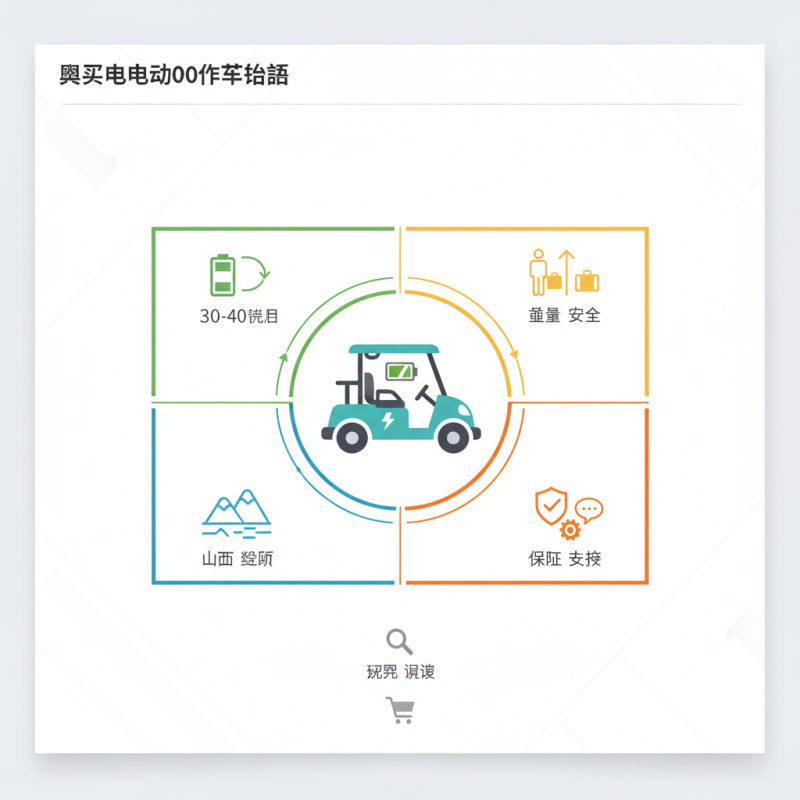
Many buyers may overlook essential factors. Battery life is critical; typically, high-quality carts range between 30 and 40 miles on a single charge. Additionally, weight capacity often goes unnoticed but affects performance and safety. Buyers should also consider terrain suitability; models vary significantly in their ability to handle hilly or uneven ground.
Moreover, warranty and support are vital indicators of reliability. Not all manufacturers offer robust post-purchase assistance. Understanding this can streamline the decision-making process. Research shows that customers who evaluate these aspects enjoy a much more positive ownership experience. It’s imperative to thoroughly analyze specifications and reviews before making your purchase.
When considering the purchase of an electric golf cart, understanding key features is essential. Battery life is one critical aspect. Typically, electric golf carts have a range of 20 to 50 miles on a single charge. According to industry reports, lithium-ion batteries can enhance longevity and charging speed, making them a preferred choice.
Performance also includes acceleration and hill-climbing capability. Some electric carts can reach speeds of up to 25 mph. However, not all carts perform equally, especially on inclines. Users should evaluate how a cart handles various terrains. Build quality is another factor; options range from lightweight models to more robust designs for durability.
Cost is often a reflection of features and materials. While spending more might seem excessive, it can lead to better performance and lower maintenance costs in the long run. On the flip side, budget models may save money upfront but might lack essential features. It's important to weigh the pros and cons, ensuring your choice meets both budget and performance needs.
| Key Feature | Description | Considerations |
|---|---|---|
| Battery Life | Duration the cart can operate on a single charge. | Look for batteries with longer lifespans and warranties. |
| Speed | Maximum speed the cart can achieve. | Consider your intended use; recreational vs. transport. |
| Seating Capacity | Number of passengers the cart can accommodate. | Ensure it fits your typical group size. |
| Terrain Capability | Ability to navigate different surfaces like hills or sandy areas. | Choose based on where you'll mainly be using the cart. |
| Charging Time | Duration needed to fully charge the battery. | Faster charging could lead to more convenience. |
| Storage Space | Availability of storage compartments for personal items. | Essential for carrying bags, clubs, or groceries. |
| Safety Features | Features like seat belts, lights, and reflectors. | Always prioritize safety options for better security. |
When considering an electric golf cart, the battery type plays a crucial role in overall performance. Lead-acid batteries, prevalent in many models, are cost-effective but have limitations. They typically last around 3 to 5 years and may require frequent maintenance. According to a report from the Electric Vehicle Association, these batteries can lose up to 30% of their capacity after a few years of use.
Lithium-ion batteries are gaining popularity for various reasons. They are lighter and often have a lifespan of 7 to 10 years. This type of battery also supports faster charging times and can offer double the usable energy. In fact, studies indicate that a lithium-ion battery can provide up to 40% more power per charge compared to lead-acid counterparts.
However, the initial investment for lithium-ion can be substantial. This upfront cost might deter some buyers. Moreover, temperature fluctuations can affect lithium battery performance. As emerging technologies improve, buyers should remain cautious and weigh the pros and cons of each battery type carefully. Understanding these aspects is crucial for making an informed decision.
When buying an electric golf cart, assessing the range and speed is crucial. Many electric golf carts can travel between 20 to 40 miles on a single charge. However, this range can vary significantly based on factors like terrain, weight capacity, and battery type. According to the Electric Drive Transportation Association, most standard golf carts have a top speed of around 15-25 mph. Understanding these metrics can greatly enhance your golfing experience.
Tip: Always test drive a cart before purchasing. Check how it handles on different terrains. Some carts perform better on inclines or rough surfaces than others.
The battery's capacity plays a key role in both range and speed. Lithium-ion batteries typically offer longer ranges compared to lead-acid batteries. Research shows that a lithium-ion battery can provide around 2,000 cycles, whereas lead-acid batteries may only last for 500. Evaluating battery longevity and recharging time is essential in making an informed decision.
Tip: Consider the charging infrastructure at your golf club or home. If convenience matters, a fast-charging option might be worth the investment.
This chart illustrates the average range and speed of different electric golf carts based on current market data. The range is measured in miles, while the speed is measured in miles per hour (mph). This information can help potential buyers assess which electric golf cart best fits their needs.
When searching for an electric golf cart, comfort and storage options play a crucial role. An ideal cart should feel good during long rides. Look for comfortable seating, ideally with padding. Test how the seat contours to your body. A smooth ride enhances the overall experience.
Pay attention to legroom too. Adequate space prevents cramping during those lengthy days on the course.
Storage options also deserve careful consideration. A cart with ample storage can significantly improve convenience. Check for compartments that are easily accessible. Some models include under-seat storage or rear baskets. These features help you keep personal items and golf accessories organized. Evaluate how these storage areas can fit your gear. Reflect on what you usually carry. If you often bring extra items, you may need more space.
Design can impact both comfort and functionality. Look for carts with ergonomic handles for easier maneuvering. Ensure that the design does not compromise stability. Aesthetics are important but should not overshadow practical features. Consider your needs and preferences. Each user may have different requirements. Ultimately, a balance of comfort and storage makes for a worthwhile investment.
When considering the purchase of an electric golf cart, cost and warranty are critical elements that cannot be overlooked. Electric golf carts come with various price tags, affected by features, brand, and battery type. Entry-level carts might start around a few thousand dollars, while high-end models can exceed tens of thousands. It's important to assess what features are essential for your usage. Basic models suffice for casual use, while advanced models offer enhanced performance for avid golfers.
Warranty options should also play a significant role in your decision-making process. A solid warranty can provide peace of mind. Most manufacturers offer warranties ranging from one to five years. Look for coverage that includes batteries, electric components, and the frame. Be aware of the fine print; some terms may have exclusions that could leave you vulnerable after the initial coverage.
Tips: Consider the total cost of ownership, including maintenance, charging, and potential repairs. It’s wise to check for reviews and talk to current owners. They can share valuable insights on reliability. Keep in mind your unique needs and how often you plan to use the cart. This helps in determining what level of investment is appropriate for you.
: Most electric golf carts can travel between 20 to 40 miles per charge.
The performance varies based on terrain, weight capacity, and battery type. Test drive on different surfaces.
Standard electric golf carts usually reach speeds between 15 to 25 mph.
Lithium-ion batteries generally provide longer ranges than lead-acid batteries.
Lithium-ion batteries can last around 2,000 cycles, while lead-acid batteries may only last for 500 cycles.
Consider your access to charging facilities. Fast-charging options can save time and enhance convenience.
Prices vary widely based on features and battery type. Basic models are cheaper than advanced ones.
Warranties usually range from one to five years, covering various components and batteries.
Look for exclusions in the warranty terms that could leave you unprotected after initial coverage.
Think about how often you'll use it and what features you need. This will help determine your budget.
When considering what should I look for when buying an electric golf cart, it is essential to assess several key features. Understanding the basics, potential buyers should prioritize factors such as battery types and their performance, as they significantly influence the cart's longevity and efficiency. Additionally, evaluating the range and speed will help in determining whether the electric cart meets specific requirements for on-course performance.
Furthermore, examining the comfort and storage options within the design can enhance the overall user experience, making long rounds more enjoyable. Lastly, cost and warranty considerations play a crucial role in ensuring a wise investment, safeguarding the purchase against potential issues in the future. Balancing these factors will lead to a more informed decision when selecting the perfect electric golf cart.

Golvaris Car