Choosing the right off-road golf cart is crucial for navigating diverse terrains. According to industry reports, up to 40% of golfers seek vehicles suited for rugged landscapes. This demand reflects a growing interest in recreational and utility uses beyond traditional golf courses.
Expert Michael Sanders states, “What terrain can off-road golf carts handle? They thrive in sandy, rocky, and muddy paths.” Understanding the types of terrains these carts can conquer is vital. Off-road golf carts are designed for stability and durability, enabling them to tackle steep hills and uneven ground.
However, not all models are created equal. Some may excel in specific environments while faltering in others. Prospective buyers should evaluate their needs carefully. Consider terrain types, weight capacity, and potential uses. Investing in the right cart is not just about performance; it's also about safety and longevity. Choosing wisely can lead to improved experiences on the course and beyond.
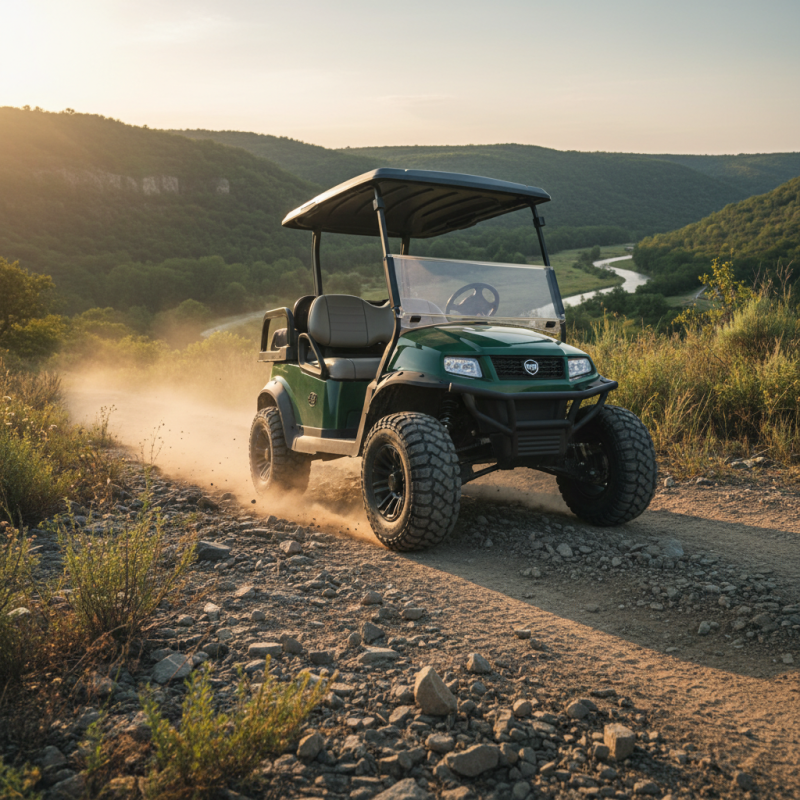
When selecting off-road golf carts, several factors come into play.
Terrain type is vital. Soft sand, rocky paths, and steep inclines all demand different capabilities.
According to the Outdoor Recreation Roundtable, nearly 60% of off-road enthusiasts report that terrain adaptability is a top priority when choosing vehicles.
A cart designed for uneven surfaces needs robust suspension to absorb shocks effectively.
Weight capacity and motor power are also crucial. Choose carts with sufficient torque to tackle inclines without straining. The Association for the Advancement of Automotive Medicine found that carts with a minimum of 15 HP perform well in rugged areas.
Additionally, tire tread matters significantly. Deep treads provide traction on varied surfaces, while smooth treads offer stability on paved roads.
Battery type impacts longevity and performance. Lithium-ion batteries are gaining popularity for their lighter weight and efficiency. They often last longer than traditional lead-acid batteries.
However, they can be more expensive. If budget is a constraint, it’s essential to weigh upfront costs against potential long-term savings. The right choices will enhance your off-road experience, allowing for enjoyable exploration without frequent breakdowns.
Choosing the right off-road golf cart involves understanding various terrain types. Each surface impacts performance, and recognizing these differences can enhance your golfing experience. For example, sandy or muddy paths require carts with strong traction and larger tires. Conversely, hard-packed surfaces may allow for lighter, more agile models. Knowing this can guide your selection process.
Tips: Consider the weight capacity of the cart. If you’re carrying more gear, opt for a sturdier model. Also, examine the suspension. A well-designed suspension system can absorb rough impacts and provide a smoother ride.
Steep hills can pose challenges. Not all carts handle inclines well. Look for options with strong motors for better hill-climbing abilities. Do thorough research before making a decision. Test ride multiple models on different terrains if possible. Your comfort and performance depend on the right choice.
Lastly, think about future needs. Plans for longer courses or varied terrains might influence your choice. Flexibility and adaptability in design can be a game-changer on challenging surfaces. Always weigh your options carefully. A small oversight can affect your performance.
When choosing off-road golf carts, motor power and torque ratings are key factors. A cart with strong motor power can tackle steep hills and rough terrain. Torque ratings reflect how much force the cart can deliver, especially from a standstill. Look for carts with a higher torque to ensure better acceleration on uneven ground.
Tips for evaluating motor power include checking specifications. Not all power numbers are equal. A 48-volt system often performs better than a 36-volt one. Additionally, consider the weight of the cart. A heavier cart may need more power to function effectively. Keep an eye on the motor's type; brushless motors tend to be more efficient and reliable.
Torque ratings can vary considerably. If possible, test drive the cart on different terrains. It’s helpful to note how it handles obstacles. Sometimes, power ratings alone don’t tell the full story. A well-built cart with lower power may outperform others if engineered properly. This evaluation can lead to better choices for your off-road adventures.
When it comes to off-road golf carts, tire specifications play a pivotal role in ensuring stability across various terrains. Tires designed for off-roading often feature deeper treads, allowing for better traction on uneven surfaces. These deeper treads grip muddy, rocky, or sandy paths, enhancing the cart's performance and your safety.
For optimal stability, consider the tire material. A softer rubber compound can provide better grip, while a harder material might last longer but offers less traction. It's crucial to strike a balance based on where you'll be driving. Always check for tire pressure regularly; overinflated or underinflated tires can lead to unpredictable handling.
Here are a few tips to keep in mind:
- Choose wider tires for more surface contact.
- Look for tires with reinforced sidewalls. This adds durability against sharp rocks.
- Don’t overlook the importance of regular maintenance; worn-out tires compromise safety and performance.
Choosing the right tires can be a daunting task. You might find conflicting information online. Many users share experiences of trial and error. It’s okay to adapt your choices based on feedback and your own observations. Listen to your instincts as you navigate through different terrains.
| Terrain Type | Recommended Tire Size | Tire Tread Pattern | Air Pressure (PSI) | Stability Rating |
|---|---|---|---|---|
| Soft Sand | 23x10.5-12 | Wide Traction | 15-20 | High |
| Rocky Terrain | 22x11-10 | Knobby | 20-25 | Medium |
| Gravel Pathways | 20x10-10 | All-Terrain | 18-22 | High |
| Wet Conditions | 24x9-12 | Mud & Snow | 10-15 | Medium |
When choosing an off-road golf cart, suspension systems are crucial. They significantly influence comfort and handling on various terrains. A well-designed suspension absorbs bumps and obstacles, creating a smoother ride. Leaf spring systems may work, but consider more advanced options.
Independent suspension offers better articulation. This design ensures each wheel moves independently, enhancing grip on uneven surfaces. Riders will notice improved stability during sharp turns or sudden descents. Pay attention to shock absorbers as well. High-quality shocks dampen impacts from rocky trails. Experiencing a jarring ride can lead to discomfort and fatigue.
Not all suspension setups are equal. Some may compromise performance for cost, leading to a rough experience on rugged paths. Frequent evaluations of the suspension system can prevent issues. Make sure to reflect on feedback from other users. Personal experiences with different terrains can guide better choices. Prioritizing comfort and reliability can enhance your outdoor adventures.
This chart compares various off-road golf cart suspension systems based on their comfort levels. The ratings range from 1 to 10, with higher numbers indicating better comfort and handling capabilities on rough terrains.
: Understand terrain types, weight capacity, and suspension systems. Each factor influences your cart's performance.
Tires with deeper treads offer better traction. They help with stability on uneven surfaces.
Proper tire pressure ensures predictable handling. Over or underinflated tires can lead to safety issues.
Wider tires are preferable for more surface contact. Reinforced sidewalls provide additional durability on rocky paths.
A good suspension absorbs bumps, helping create a smoother ride. Independent suspensions improve grip on uneven terrains.
Not all setups are equal. Look for high-quality shocks that reduce impacts from rough trails.
Testing helps you understand how carts perform across various terrains. It can prevent discomfort during longer rides.
Listen to your instincts and user feedback. Adjust your choices based on personal experiences and shared insights.
Worn-out tires can compromise safety. Regular checks ensure your cart performs well on various surfaces.
If you plan to tackle varied terrains, opt for flexible designs. Adaptable carts can greatly improve your outdoor experience.
When selecting off-road golf carts, it's essential to consider various factors that influence their performance across different terrains. Understanding what terrain can off-road golf carts handle is crucial, as it affects motor power, torque ratings, tire specifications, and suspension systems. Different terrains such as sand, mud, and gravel require specific features to ensure stability and comfort.
Evaluating motor power and torque ratings helps determine the vehicle's ability to navigate challenging landscapes smoothly. Additionally, the right tire specifications play a significant role in providing traction and stability on uneven surfaces. Lastly, a robust suspension system is vital for enhancing comfort and handling during outdoor adventures. By taking these factors into account, users can choose the most suitable off-road golf cart for their needs.

Golvaris Car