When it comes to golf carts, the battery you choose can greatly impact performance. Many cart owners find themselves asking, "what kind of battery is best for golf carts?" This question isn’t just about power; it’s about longevity and efficiency. Different battery types have unique features that cater to various needs.
Lead-acid batteries are popular due to affordability. They provide reliable power but require regular maintenance. In contrast, lithium-ion batteries are gaining traction. They offer longer lifespans and faster charging times, yet they come with a higher price tag. Choosing wisely means considering your specific use case and budget.
Reflect on your golfing needs. Do you often play long rounds? A powerful battery is crucial. Conversely, if you use your cart occasionally, a simpler model may suffice. No option is perfect, so weigh the pros and cons carefully. Making an informed choice can enhance your golfing experience significantly.
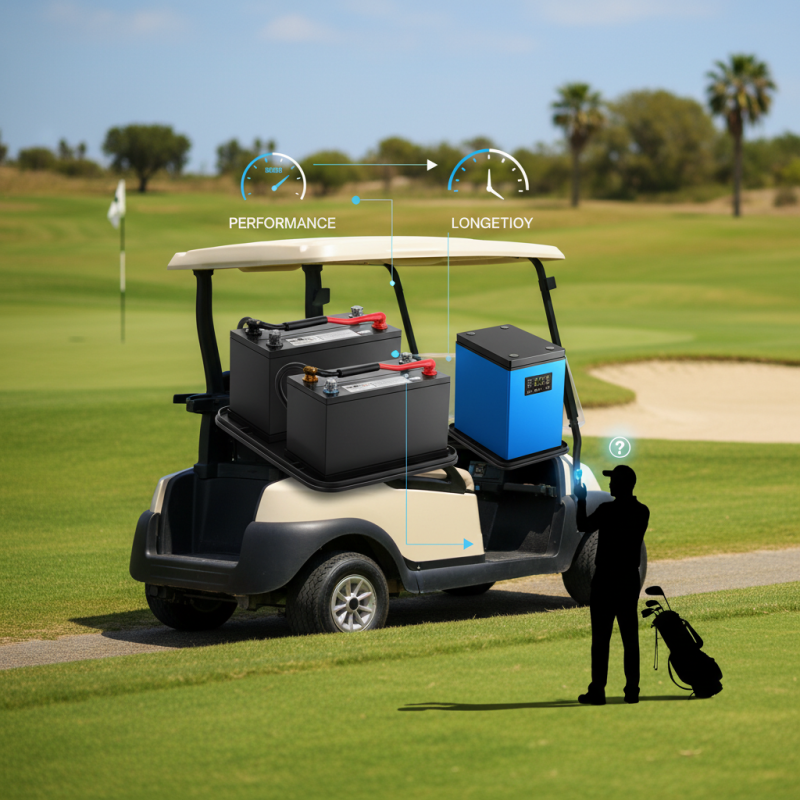
Choosing the right battery for your golf cart can significantly impact its performance and longevity. Understanding the different types of golf cart batteries is essential. Generally, there are two main types:
lead-acid batteries and lithium-ion batteries.
Lead-acid batteries are more common and cost-effective. They require regular maintenance and have a shorter lifespan.
On the other hand, lithium-ion batteries are lighter and more efficient. They provide longer run times and require less maintenance, but they come at a higher initial cost. In some cases, users hesitate with lithium-ion options due to their expense.
It's crucial to weigh these factors based on your budget and usage.
When selecting a battery, consider your typical golf cart usage. If you play frequently, investing in a lithium-ion battery may prove wise.
However, lead-acid batteries might suffice for occasional use. Always check specifications carefully. Some batteries might not fit older models.
Mismatched components can lead to problems later.
: Evaluate the voltage and capacity required for your cart. Most use 6V, 8V, or 12V batteries.
Capacity, measured in ampere-hours (Ah), determines how much energy the battery can store. Higher Ah ratings mean longer run times.
Yes, it can harm the cart's electronics. Always ensure the voltage matches your cart's specifications.
Most batteries last between four to six years with proper care and maintenance.
Regularly clean the terminals and check water levels in lead-acid batteries to prevent corrosion and improve lifespan.
No, not all batteries fit every model. Always check compatibility before making a purchase.
Consider deep-cycle batteries for long, consistent energy. They require more maintenance but provide better performance.
Regular checks can reveal problems before they escalate. Being proactive helps avoid unexpected failures.
Understanding your specific needs and usage habits can help you choose the best battery for optimal performance.
Yes, many neglect it, leading to unexpected failures and costly repairs. Consistent care is essential for longevity.
When choosing a battery for your golf cart, it’s essential to understand the different types available, including lead-acid and lithium-ion options. Evaluating battery voltage and capacity is crucial for ensuring optimal performance, as this impacts both speed and distance. Additionally, consider the lifespan and maintenance requirements of the batteries, as some may require more frequent checks and upkeep than others.
Budget-conscious buyers should compare various battery brands and prices to find the best fit while keeping longevity and efficiency in mind. It is also important to know the signs of battery wear, which can indicate when it's time to replace your battery. In summary, understanding these factors will help you determine what kind of battery is best for golf carts, ensuring that you make a well-informed decision tailored to your specific needs.

 Golvaris Car