Choosing the right golf cart for personal use can be challenging. With a growing market, options vary widely in features and price. A 2022 industry report by the National Golf Cart Association noted that 40% of buyers prioritize electric models for their efficiency and sustainability. Expert Mark Thomas, a leading consultant in the golf industry, states, “It’s essential to assess your specific needs before making a purchase decision.”
Personal preferences play a significant role in this process. Determine your typical course usage and the frequency of your rounds. If you frequently navigate hilly terrains, opting for a more powerful model may be wise. Also, consider the seating capacity and storage options available. Compact carts are great for quick rounds, while larger models provide extra comforts for leisurely outings.
Don’t overlook maintenance and service support when choosing. As with any purchase, evaluating warranties and customer service reputation is crucial. This decision can directly impact your golfing experience and long-term satisfaction. Ultimately, understanding how to choose the right golf cart for personal use requires a keen focus on both immediate preferences and future needs.
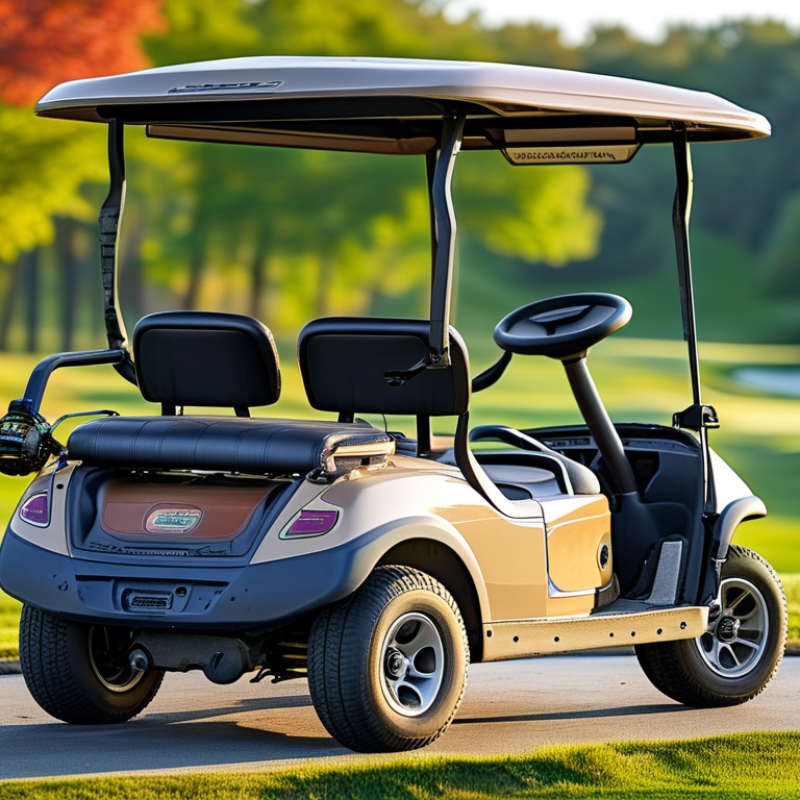
Choosing the right golf cart is essential for a fulfilling golfing experience. Start by evaluating how you plan to use the cart. Will it be for the golf course, neighborhood, or both? Each setting has different requirements. For example, a cart designed for the course needs specific features like a quiet engine. If you plan to use it at home, consider space for storage and mobility.
Next, think about the number of passengers you may need to transport. A two-seater may be adequate for personal use, but larger groups require more seating. Features like a rear seat can convert your cart into a small transport vehicle for family outings or trips to the store. It's important to assess how often you'll be using it and under what conditions. If you often navigate hilly terrains, look for carts with better torque and handling.
Lastly, budget plays a significant role in decision-making. Golf carts vary widely in price based on their features and quality. Determine your budget by factoring in potential maintenance costs. High-quality carts can be a bigger upfront investment but might save you money over time. Reflect on how often you’ll truly use the cart. It’s a balance between desire and practicality.
When evaluating different types of golf carts, it’s important to consider various factors that cater to your personal needs. Electric carts are popular due to their quiet operation and eco-friendliness. Explore their range and charging capabilities. Some models offer advanced features, while others focus on simplicity.
If you need a compact solution for small courses, a two-seater may be ideal. Larger models can accommodate four or more passengers, perfect for family outings. Don’t forget to check the storage options. Many carts come with useful compartments for gear and drinks.
Tips: Always test the driving comfort before finalizing your choice. How does it handle on inclines? Is the steering responsive? Evaluate all control features. Comfort can make a big difference. Additionally, consider maintenance needs. Sometimes, a cheaper cart might lead to higher upkeep costs. Reflect on your golf habits to make an informed choice. Your cart should complement your style of play.
Choosing the right golf cart involves several key features that cater to individual needs.
Battery type is crucial.
Golf carts typically run on lead-acid or
lithium batteries.
Data shows lithium batteries last longer and charge faster. They also weigh less, improving the cart's performance.
Yet, they come with a higher upfront cost.
Another important aspect is the power of the cart.
Most golf carts come in 36-volt or
48-volt systems.
A 48-volt system provides more torque and faster speeds.
If you plan to ride on hilly terrain, the added power becomes essential.
It's worth noting that some carts may struggle on inclines, impacting your game experience.
Lastly, consider storage options.
Golf carts often have limited space. To accommodate golf bags and other gear, look for carts with built-in compartments.
Some models offer rear seats or cargo space, enhancing utility.
However, not every cart is spacious enough for personal belongings.
Evaluating your storage needs could save you frustration later.
When considering a golf cart, budget plays a crucial role. Industry reports indicate that the average price for a new golf cart ranges from $5,000 to $15,000. This wide range depends on factors like model, features, and brand reputation. The choice of golf cart can dramatically impact your finances in the long run.
Many potential buyers overlook additional costs beyond the initial purchase. Maintenance, insurance, and charging stations for electric models can add up. Studies show that annual maintenance can be around 10% of the cart's value. For electric carts, factoring in battery replacement costs is essential. These batteries can cost between $800 to $2,000 and typically last three to five years.
Assessing your personal needs is vital to avoid overspending. Determine how often you'll use the cart and for what purpose. Will it be mostly for the golf course, or do you need it for community use? Many buyers regret not considering their specific use cases earlier. Adjusting expectations based on actual needs can prevent financial strain later.
When choosing a golf cart, maintenance and warranty are crucial factors. Regular maintenance ensures longevity and optimal performance. Look for models that offer comprehensive user manuals. A well-documented guide helps you perform routine checks easily. Simple tasks like tire pressure checks or battery maintenance can be done at home. However, some maintenance tasks might require professional help. It’s essential to know your limits.
Warranty coverage varies significantly between models. A good warranty offers peace of mind. Typically, it should cover major parts like the engine and transmission. Look for warranties that last several years. Some might include service plans to ensure your cart stays in top shape. Investigate what is not covered. This can reveal potential pitfalls. If parts are not covered, repairs can become costly.
Additionally, consider the accessibility of service centers. If repairs are needed, you don’t want to travel far. Research local providers and their reputation. Read reviews and ask fellow golf cart owners. Delays in service can keep you off the course for longer than desired. Supply chain issues today can delay parts. Understanding these factors helps you manage your expectations effectively.
: Evaluate the intended use, whether for golf, neighborhood, or both.
Consider if you'll need extra seating for family or friends; a two-seater may be enough otherwise.
Look for a quiet engine and good handling for a smooth golfing experience.
Budget is crucial; new carts can range from $5,000 to $15,000 based on features.
Yes, maintenance, insurance, and charging stations can add significant expenses.
Reflect on your usage frequency; it helps avoid overspending on features you won’t utilize.
Many wish they had assessed their specific needs and usage better before buying.
Hilly terrains require carts with better torque and handling for easier navigation.
Battery replacement costs can be high, and they typically last three to five years.
Yes, it's essential to weigh your wants against actual needs to prevent future financial strain.
When considering how to choose the right golf cart for personal use, it is essential to first understand your specific needs. This involves evaluating various types of golf carts available, including electric and gas options, to determine which best fits your lifestyle and usage frequency. Key features to keep in mind include seating capacity, storage solutions, and terrain adaptability, as these will significantly impact your experience.
Next, assessing your budget plays a crucial role in your decision-making process. Golf carts come at various price points, so setting a clear budget will help narrow your options. Additionally, consider the maintenance requirements and warranty options, as these factors can affect your long-term satisfaction and expense. By carefully considering these aspects, you can make an informed choice that enhances your golfing experience.

Golvaris Car