When considering a purchase of an electric golf cart, several key factors come into play. Many buyers may wonder, "what should I look for when buying an electric golf cart?" This question is essential for making an informed choice. Electric golf carts are becoming more popular, but choosing the right one can be overwhelming.
Battery life is crucial. A powerful battery ensures longevity on the course. Pay attention to the type of battery used. Many carts feature lead-acid batteries, while others have lithium-ion alternatives. The difference can significantly affect performance and cost.
Another aspect to consider is the cart's capacity and size. How many passengers do you need to accommodate? Some models are compact, perfect for tight spaces. However, larger models offer more comfort for groups. Think about your specific needs; this will guide you toward the best selection.
Don’t forget about the cart's range. How far can it go on a single charge? Understanding this can prevent inconvenient situations on the course. Finally, examine additional features, like storage options and accessories. Making a well-rounded decision takes time and consideration, but it pays off in the long run.
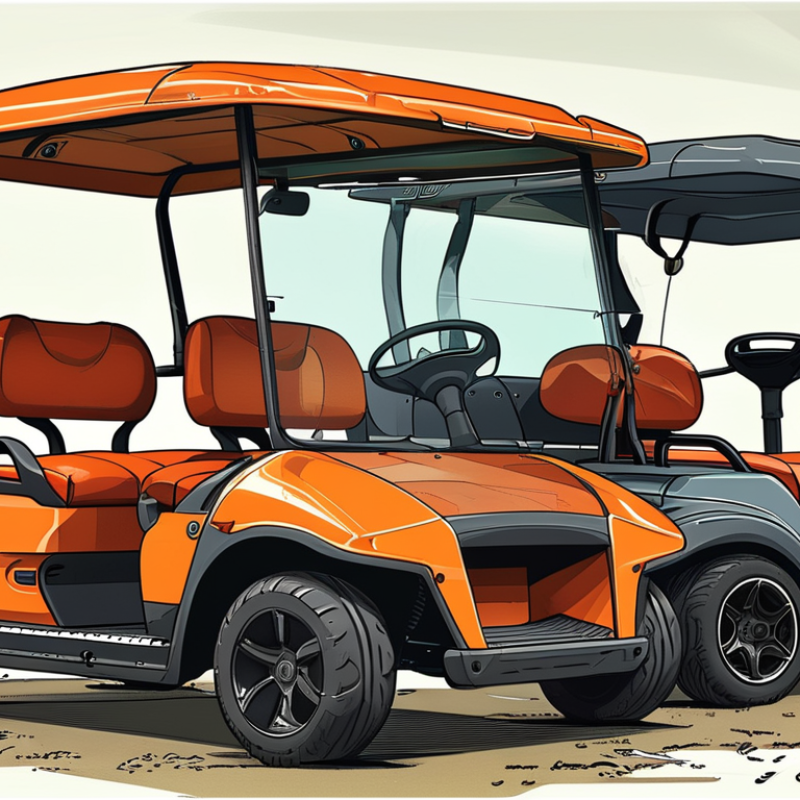
Understanding Your Needs: Purpose of the Electric Golf Cart
When considering the purpose of an electric golf cart, it’s essential to identify your specific needs. Are you using it primarily on the golf course, or do you plan to drive it around a community? If your main focus is golf, then you need a model that holds enough battery life for 18 holes. On the other hand, if you’re planning to use it for transportation in a neighborhood, speed and comfort become more critical.
Think about how many passengers you will typically have. Some carts are designed for two people, while others can accommodate six or more. These details affect your overall comfort and the cart's usability. Also, consider the terrain; will you drive on flat courses or hilly areas? A cart with a more powerful motor might be needed for those inclines.
Maintenance is another factor worth pondering. Some carts require more upkeep than others. A reliable cart can save you money and time in the long run. However, some features may lead to more frequent repairs. Balancing these elements is crucial to ensure your investment is worthwhile and serves its intended purpose without constant worry.
Types of Electric Golf Carts: Models and Features to Consider
When considering an electric golf cart, it’s crucial to analyze the various models and their features. Different carts have unique specifications that cater to different needs. For instance, some models offer advanced battery technology, providing longer ranges on a single charge. Others may focus on speed or acceleration, which can be appealing for those wanting a quicker ride.
Customization is another essential feature to contemplate. Some electric golf carts come with options for upgraded seating, weather protection, and storage solutions. This can enhance your overall experience on the course. Additionally, it helps to think about the terrain where you’ll be using the cart. Carts designed for hilly areas often have stronger motors and improved suspension systems.
Pay attention to safety features as well. Some models include seat belts, lights, and reflective materials for better visibility. However, not all models provide these essentials. You might want to verify their availability before making a purchase. Consider additional factors such as weight and build quality too. Heavier carts may offer more stability, but could be challenging for some users. Evaluating these aspects ensures that you select a cart that meets your specific requirements and preferences.
Battery Performance: Capacity and Lifespan Evaluation
When considering an electric golf cart, battery performance is crucial. Capacity and lifespan are key metrics that impact overall usability. According to industry reports, the average lifespan of a golf cart battery ranges from 4 to 6 years. However, this can vary greatly depending on usage and maintenance.
Battery capacity is measured in amp-hours (Ah). Most electric golf carts use batteries rated between 100Ah to 200Ah. A higher capacity means longer runtime. For example, a 200Ah battery can power a cart significantly longer than a 100Ah battery, especially on hilly terrains or during extended play. However, it’s vital to consider not just capacity, but also how it corresponds to the cart’s weight and power consumption.
Proper maintenance enhances battery lifespan. Regular charging and avoiding deep discharges are essential tips. Failure to do so can lead to quicker degradation. Many users underestimate this aspect and may find their cart underperforming. Monitoring voltage levels and keeping terminals clean can prevent some common issues. Cart owners should educate themselves on these factors to optimize their investment.
Battery Performance: Capacity and Lifespan Evaluation
Budget Considerations: Pricing and Financing Options
When considering the purchase of an electric golf cart, budget plays a crucial role. According to reports from the National Golf Foundation, the average price of a new electric golf cart ranges from $5,000 to $10,000. Financing options are also available, with many manufacturers offering plans that can help spread out payments over time. Many buyers overlook the total cost of ownership, which includes maintenance and battery replacement.
Tips: Always factor in costs beyond the initial purchase. Some carts require more frequent battery replacements, which can add $800 to $1,500 every 4-6 years. The value of resale may also not align with expectations. Options typically lose 20-30% of value in the first year.
Buyers should assess their budget carefully. Considering used models can lead to significant savings, but they may come with hidden issues or reduced warranties. Average depreciation in the golf cart market hovers around 15% annually. This statistic is important for resale planning and total long-term investment evaluation. Prioritize what features you need most, as lavish extras can inflate the budget quickly.
After-Sales Support: Warranty and Service Availability
When purchasing an electric golf cart, after-sales support should not be underestimated. A solid warranty can save you money and hassle down the road. Look for warranties that cover essential components, such as the battery and motor. Some manufacturers offer extended warranty options, but not all do. Understanding what is included in the warranty is crucial. Check the duration and specific terms to avoid surprises later.
Service availability is equally vital. Consider if there is a local service center nearby. Regular maintenance ensures the longevity of your cart. If repairs are needed, quick service can minimize your downtime. Some companies provide mobile service units, which can be a huge convenience. On the other hand, if you find service options lacking, it might be a red flag. A cart with limited support may lead to increased costs in case of failures.
A good after-sales support system reflects the manufacturer's confidence in their product. However, not all companies offer transparent information regarding their support services. Research reviews and seek out customer experiences. This effort will aid in making an informed decision. Don't overlook the importance of knowing you can get help when you need it.
Top Factors to Consider When Buying an Electric Golf Cart
| Feature |
Importance Rating (1-5) |
Description |
| Warranty Duration |
5 |
A longer warranty implies better manufacturer confidence and protection against defects. |
| Service Availability |
4 |
Access to local service centers facilitates maintenance and repairs. |
| Customer Support |
4 |
Responsive customer service can significantly enhance the post-purchase experience. |
| Parts Availability |
5 |
Easily obtainable parts are essential for long-term maintenance and repairs. |
| User Reviews |
3 |
Feedback from other users can provide valuable insights into reliability and service quality. |
| Maintenance Requirements |
4 |
Low maintenance requirements can save you time and money in the long run. |
FAQS
: Think about your primary use, number of passengers, and terrain type.
Typically, they last between 4 to 6 years, depending on usage and maintenance.
Battery capacity, measured in amp-hours, affects how long the cart can run.
Regular charging, avoiding deep discharges, and keeping terminals clean can help.
Prices generally range from $5,000 to $10,000, excluding maintenance costs.
Consider maintenance, battery replacements, and depreciation when budgeting.
Used carts may save money but could have hidden issues.
Expect a loss of 20-30% in the first year alone.
Features, battery type, and purchase location impact the overall cost.
Yes, many options allow for spreading payments, making it more affordable.
Conclusion
When considering what should I look for when buying an electric golf cart, it's essential to understand your specific needs first. Whether it’s for leisurely outings, transporting goods around a large property, or frequent use on the golf course, the purpose will guide your selection process. Explore the various types of electric golf carts available, paying attention to models and features that will best suit your activities.
Battery performance is another critical factor, as it directly impacts the cart's range and longevity. Evaluate the battery's capacity and lifespan to ensure it meets your requirements. Additionally, budget considerations play a significant role; assess the pricing and available financing options that align with your financial situation. Lastly, don’t overlook after-sales support, including warranty terms and service availability, to secure a reliable purchase. By keeping these elements in mind, you can make an informed decision tailored to your electric golf cart needs.

 Golvaris Car