As we look toward 2026, the landscape of electric golf carts is poised for significant evolution. Many enthusiasts wonder, "how fast can an electric golf cart go?" This question drives interest among potential buyers and designers alike. The developments in battery technology and motor efficiency could lead to enhanced performance.
In recent years, innovations have propelled electric golf carts to higher speeds and better efficiency. Traditional models often reach speeds between 15 to 25 miles per hour. However, future designs aim to break these limits. With advancements in engineering, we might soon witness golf carts achieving speeds up to 30 miles per hour or more.
Yet, speed isn't everything. Safety and sustainability will remain critical. As we improve speed, we must consider the balance of performance and responsible use. Are we prepared for the implications of faster electric golf carts? The future poses exciting possibilities but also challenges.
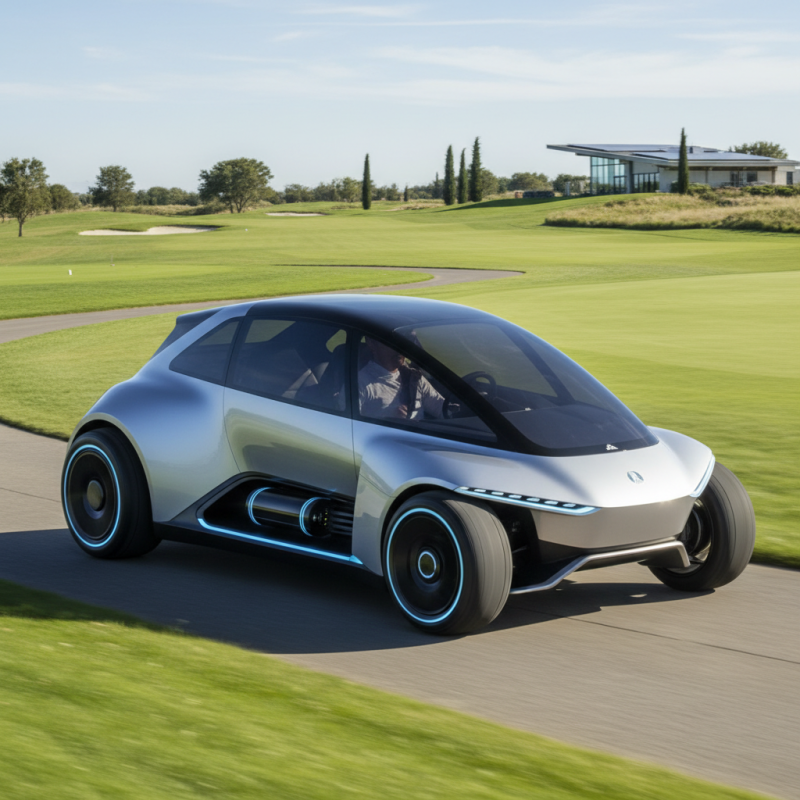
Electric Golf Cart Speed Standards in 2026
In 2026, electric golf carts are expected to adhere to new speed standards set by industry regulators. According to the International Golf Cart Association’s recent report, maximum speeds will be capped at 25 mph. This is an increase from the previous 20 mph limit, reflecting advancements in battery technology and motor efficiency. Improved lithium-ion batteries now offer longer ranges and faster charging times.
However, the promise of higher speeds comes with concerns regarding safety and vehicle control. Many golf course operators worry that faster carts could lead to accidents, particularly in crowded areas. Data from the National Association of Golf Course Owners indicate a 15% rise in minor injuries related to golf carts in the past three years. Achieving a balance between speed and safety will be crucial as regulations evolve.
The general public's perception of electric golf carts is also changing. People now view them as viable alternatives for short commutes, not just for golf. This shift is evident as more municipalities consider integrating electric golf carts into their transportation infrastructure. Reports suggest a 30% increase in usage in urban settings, demonstrating their growing acceptance. Nevertheless, it raises questions: Are we ready to embrace this trend safely? Is regulation keeping pace with innovation?
Factors Influencing Electric Golf Cart Speed in 2026
As we look ahead to 2026, electric golf carts are evolving rapidly. Several key factors influence their speed.
Battery technology is a significant element. The energy density of batteries directly impacts performance. Improved batteries can offer higher voltage, which translates to faster speeds.
Lithium-ion batteries are becoming more common, providing enhanced range and efficiency.
Another factor involves motor efficiency. Advances in electric motor design enhance torque and speed potential. Manufacturers are focusing on
optimizing motor technology. Aerodynamics also plays a role. A cart with a streamlined design faces less wind resistance, allowing for higher speeds on the course.
Regulatory changes may shape how fast these carts can go. Local laws often dictate speed limits for safety. Rethinking these regulations
could open up possibilities. User preferences matter, too. Some players seek speed for a thrilling ride, while others value comfort
and stability. Balancing these desires presents challenges. It will be interesting to see how industry adapts to these dynamic factors.
Comparison of Electric Golf Cart Speeds Among Leading Brands
In 2026, electric golf carts are evolving rapidly, showcasing impressive speed capabilities among various brands. Reports indicate that the average top speed for these models is around 25 to 30 mph. However, some high-performance options can reach up to 35 mph. This speed is primarily influenced by motor power, battery type, and overall design.
It’s essential to recognize how performance can vary significantly across brands. For instance, industry studies show that models with robust lithium-ion batteries tend to accelerate faster and sustain higher speeds more effectively. Additionally, weight and aerodynamics play crucial roles in determining a cart's efficiency. A lighter design can lead to better speed without sacrificing range.
Tip: When selecting a golf cart, consider the intended use. If speed is a priority, look for models designed for performance.
Also, remember that while higher speeds can be exciting, they might reduce battery life. Many carts are optimized for a balance of speed and distance. Over time, observing how these speeds affect battery life can yield valuable insights. Practical testing is recommended for the best choice.
Technological Advancements Impacting Golf Cart Performance in 2026
As we approach 2026, the landscape of electric golf carts is rapidly evolving. Technological advancements are driving performance improvements, making them faster and more efficient. Batteries are becoming lighter and more powerful. This shift allows golf carts to reach higher speeds without sacrificing range. Innovative designs are enhancing aerodynamics, further boosting performance on the course.
Regenerative braking technology is another fascinating development. This feature captures energy during braking, improving overall efficiency. Despite these advancements, some issues remain. Not every golfer is aware of how these technologies work. Additionally, the charging infrastructure still lags behind the increased demand for faster carts. Understandably, many users may feel uncertain about the reliability of these new options.
Safety also plays a critical role in golf cart performance. As carts become faster, there's a growing concern about managing speed and stability. It is essential for manufacturers to prioritize safety features alongside performance upgrades. Balancing speed with control might pose challenges that need further exploration. Ultimately, the future of electric golf carts holds promise, but it requires careful consideration of these complex factors.
Safety Regulations Affecting Speed Limits for Electric Golf Carts
As electric golf carts continue to evolve, safety regulations play a crucial role in determining their speed limits. In the U.S., for example, the maximum allowed speed for golf carts is typically 15 to 25 mph, depending on local regulations. These limitations often stem from safety concerns in residential areas and public spaces, where pedestrian safety is paramount. The National Highway Traffic Safety Administration (NHTSA) emphasizes the importance of adhering to these regulations to reduce accidents.
In 2026, the push for faster electric golf carts may clash with existing safety guidelines. Reports indicate that manufacturers are exploring advanced battery technologies and lightweight materials to enhance performance. However, the need to balance speed with safety remains a significant challenge. Data from the Electric Drive Transportation Association suggests that maintaining speeds under 20 mph for personal use is both practical and prudent.
Reflection on industry practices shows a gap in achieving higher speeds responsibly. Despite technological advancements, oversight is essential. Regulatory bodies must work with manufacturers to ensure that faster carts do not compromise safety. Changes in regulations could impact how quickly these vehicles can be driven. The future of electric golf carts relies on responsible innovation that considers both user experience and safety.
How Fast Can an Electric Golf Cart Go in 2026? - Safety Regulations Affecting Speed Limits for Electric Golf Carts
| Model |
Max Speed (mph) |
Power (HP) |
Battery Type |
Compliance Standards |
| Standard Electric Cart |
15 |
5 |
Lead Acid |
ISO 3854-2 |
| High-Performance Electric Cart |
25 |
10 |
Lithium-ion |
ANSI B77.1 |
| Eco-Friendly Electric Cart |
20 |
6 |
Nickel-Metal Hydride |
UL 2271 |
| Compact Utility Electric Cart |
18 |
7 |
Lithium Iron Phosphate |
ISO 9001 |
FAQS
: The new speed limit will be capped at 25 mph.
The increase reflects advancements in battery technology and motor efficiency.
Faster carts could lead to accidents, especially in crowded areas.
Yes, there has been a 15% rise in minor injuries related to golf carts recently.
People now see them as alternatives for short commutes, not just for golfing.
There has been a reported 30% increase in their usage in urban areas.
Battery technology, motor efficiency, and aerodynamics all play significant roles.
Some players prefer speed, while others prioritize comfort and stability.
Regulatory changes are needed to keep pace with innovations and safety.
Yes, balancing speed desires with safety concerns presents ongoing challenges.
Conclusion
In 2026, the question "how fast can an electric golf cart go" will be significantly influenced by a variety of factors, including advancements in technology and updated safety regulations. Speed standards for electric golf carts are expected to evolve, and various manufacturers will likely introduce enhanced performance features that could affect their maximum speeds.
Technological innovations are anticipated to play a crucial role in boosting speed and efficiency, while safety regulations will impose necessary limits to ensure user safety. By comparing speeds among different models, consumers can better understand the capabilities of electric golf carts in 2026, a year poised to redefine performance benchmarks in the industry.

 Golvaris Car