Understanding what features make a golf cart street legal requires more than adding headlights and a windshield. Requirements vary by state, county, and municipality. A cart approved for neighborhood roads may not qualify for faster public streets.
Jason Farley, a golf-cart compliance consultant, explains, “Street legality is not a single accessory; it is a complete safety package.” That package commonly includes working headlights, taillights, brake lights, turn signals, reflectors, a horn, mirrors, seat belts, and a parking brake. Some jurisdictions also require a windshield, windshield wipers, a vehicle identification number, registration, insurance, and a maximum-speed classification.
Small details matter.
For example, a rearview mirror may be present but poorly positioned. A brake light might work only intermittently. These issues can create safety concerns during dusk, rain, or crowded neighborhood traffic. They can also complicate inspection and registration.
This guide examines each feature and explains why it matters on public roads. It also distinguishes standard golf carts from low-speed vehicles, which may face different equipment and certification rules. The distinction is easy to overlook.
Readers should confirm current requirements with their state motor-vehicle agency and local authorities. Manufacturer documentation can help verify the cart’s original specifications. An inspection by a qualified technician adds practical confidence, especially after modifications.
No universal checklist exists.
That is the frustrating part. A legally equipped cart in one community may need additional approval elsewhere. Treat the process as a safety review, not a parts-shopping exercise.
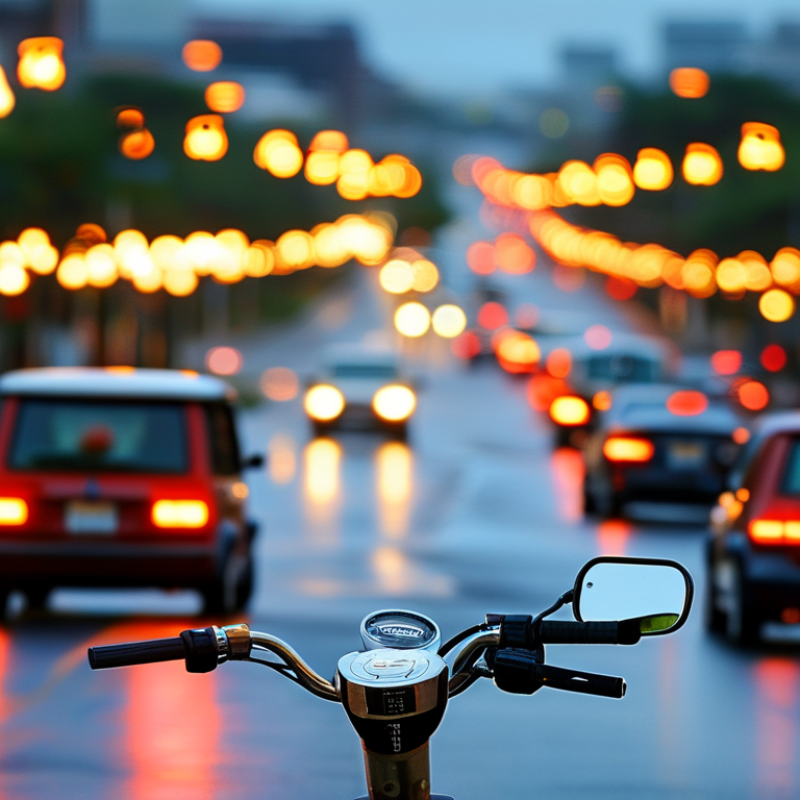
Defining street-legal golf cart requirements starts with local rules, not appearance. Requirements differ by country, state, province, and municipality. In many areas, a compliant cart needs headlights, taillights, brake lights, turn signals, reflectors, and a horn. A windshield, rearview mirrors, seat belts, and windshield wipers may also be required. Some authorities require a specific speed capability, vehicle identification number, registration, insurance, or a slow-moving vehicle emblem.
Always confirm the current checklist with your transport authority.
In practice, inspect the cart in daylight and after dark. Test every light separately. Press the brake pedal and check both rear lamps. Turn the wheel slowly to confirm the signals work clearly. A tidy installation does not prove compliance. Missing documentation can matter as much as missing equipment.
The rules can feel inconsistent. That is worth checking twice.
Keep a printed inspection checklist inside the cart. Photograph each required feature before registration. Ask the licensing office about approved windshield materials and mirror placement. Do not assume equipment from another vehicle meets local standards. A professional inspection can reveal loose wiring, weak brakes, or poor visibility. Small details matter.
Making a golf cart street legal involves more than adding a slow-moving vehicle sign. Visibility and safety equipment help other drivers understand your intentions. In my inspection experience, headlights, taillights, brake lights, and turn signals are essential. They should work clearly in daylight and remain visible from a reasonable distance. Test them at dusk.
A reflective triangle or approved rear emblem may be required, depending on local rules. Side reflectors improve recognition near intersections and during poor weather. A windshield, functioning horn, mirrors, and seat belts may also be required. Do not assume a roof provides enough protection. Loose wiring, cracked lenses, or dim bulbs can undermine an otherwise careful conversion. Small faults matter.
Before driving on public roads, check your local transport authority’s equipment list and inspection process. Requirements can differ by road speed, vehicle classification, and location. Measure light height and visibility rather than relying on appearance alone. Ask another person to stand behind the cart while you activate each lamp. That simple check often reveals blocked signals or weak brightness. I have missed details before, especially when sunlight hid a weak brake light. A second inspection is sensible, not excessive.
A street-legal golf cart is judged by more than its appearance. Speed, power, and vehicle classification often determine which rules apply. In many U.S. jurisdictions, a low-speed vehicle can travel between 20 and 25 mph. It may also need four wheels, a vehicle identification number, and certified safety equipment. Local definitions can differ.
Power matters because the motor affects acceleration, braking, and classification. A cart that reaches higher speeds may require stronger brakes, improved suspension, and additional safety testing.
Electric systems should include protected wiring, secure battery mounting, and reliable charging equipment. These details are easy to overlook.
Very easy to miss.
Required equipment commonly includes headlights, taillights, brake lights, turn signals, reflectors, mirrors, a windshield, a horn, seat belts, and a parking brake. Some areas require windshield wipers or a specific windshield material. Others limit where low-speed vehicles may operate, even after registration.
I once assumed speed alone controlled compliance. That assumption was incomplete. Classification rules can depend on design, power output, seating capacity, and intended road use. An inspector may check tire condition, lighting angles, braking response, and the location of the identification plate. A cart can look road-ready yet fail one small requirement.
Check the exact rules before modifying the vehicle. Ask the local transportation or registration office for its current inspection checklist. Keep receipts, specifications, and installation records. Those documents can clarify whether a replacement motor or battery changes the cart’s legal category.
Making a golf cart street legal involves more than adding headlights and mirrors. Local rules often require working brakes, turn signals, a horn, reflectors, seat belts, and a windshield. Requirements vary by road type and jurisdiction, so confirm details with your local transport office. Do not rely on advice from a neighbor or an online comment. It may be outdated.
Registration usually begins with proof of ownership. Prepare the title, purchase receipt, vehicle identification number, and any required inspection report. Some offices may also request an odometer statement or a completed application. Check every number carefully. A small error can delay approval. After registration, keep the plate and documents secure, but accessible during travel.
Insurance deserves equal attention. Ask an authorized insurance professional whether your policy covers public roads, passengers, property damage, and theft. A private-property policy may not provide enough protection. Coverage limits and minimum requirements differ widely. Get written confirmation before driving.
Tips: Create a document folder before visiting the registration office. Photograph the identification plate, inspection results, and insurance certificate. Confirm expiration dates on a calendar. I would also recheck the equipment after registration, because a loose signal or weak brake can appear later. Keep the paperwork current. That part is easy to overlook.
A street-legal golf cart needs more than headlights and a license plate. Local rules often require working headlights, taillights, brake lights, turn signals, reflectors, mirrors, a horn, and a windshield. Seat belts may also be mandatory for every seating position. Requirements differ between cities, counties, and states. A cart approved on one neighborhood road may not qualify elsewhere.
Confirm road access before driving beyond private property. Check the local transport office, municipal website, or police department for the exact road classification. Some areas allow golf carts only on roads below a posted speed limit. Others require marked routes, crossing rules, or a special permit. Look at the signs near your home. A short route may suddenly connect to a restricted highway.
Keep documents current. Registration, insurance, inspection records, and required permits may need renewal. Inspect the cart before each trip. Test the brakes, signals, tires, mirrors, and battery connections. A loose mirror can reduce visibility at an intersection. A dim rear light may become a compliance problem after sunset. Small details matter.
Requirements can change. I have seen owners rely on old advice from a neighbor, then discover new local restrictions. That approach is risky. Written confirmation is better. Keep a copy of the approval and equipment checklist in the cart. Even careful owners can miss a renewal date. A simple calendar reminder helps maintain road access throughout the year.
: Local rules decide the requirements. Common items include lights, signals, mirrors, seat belts, and a horn. Rules vary widely.
Test headlights, taillights, brake lights, and turn signals separately. Check them in daylight and again at dusk. Weak light matters.
Not always. Some areas require a windshield, rearview mirrors, wipers, and approved materials. Confirm the local checklist.
They help other drivers recognize the cart, especially near intersections or during poor weather. Side reflectors may also be required.
Inspect the cart in daylight. Press the brake pedal and confirm both rear lamps work. Turn the wheel slowly and check each signal.
Ask someone to stand behind the cart while you activate every lamp. They may notice blocked signals or poor brightness.
No. Authorities may also require a vehicle identification number, registration, insurance, or a specific speed capability. Documents matter too.
Loose wiring, cracked lenses, weak brakes, dim bulbs, and poor visibility can create problems. A tidy installation proves little.
Keep a printed checklist inside the cart. Photograph each required feature and ask about mirror placement before registration.
Yes. Sunlight can hide a weak brake light, and small faults are easy to miss. I have missed details before.
Understanding what features make a golf cart street legal begins with knowing the requirements set by your local transportation authority. A compliant cart may need essential safety equipment such as headlights, taillights, brake lights, turn signals, mirrors, a windshield, seat belts, a horn, and reflective visibility features. Its speed capability, motor power, and vehicle classification can also determine which roads it may use and what equipment is required.
Owners typically need to complete registration, obtain appropriate insurance, and keep supporting documents available, such as proof of ownership and inspection records where applicable. Even after approval, local road access rules may limit use to certain streets, speed zones, or times of day. Regularly checking lights, brakes, tires, steering, and safety equipment helps maintain compliance and protects everyone sharing the road. Since regulations differ by location, owners should confirm current requirements with the relevant local authority before operating a golf cart on public roads.

Golvaris Car