As agriculture evolves, farming equipment must adapt to changing needs. An important question arises: can golf carts be used for farming or industrial use? Many farmers and industrial operators are turning to golf carts for their practicality and efficiency. These vehicles offer a versatile solution for transporting goods, tools, and personnel across expansive terrains.
Golf carts can navigate tight spaces and uneven ground better than traditional vehicles. They are often easier to maintain and consume less fuel. In many cases, they prove to be cost-effective, saving both time and money for farm and industry operations. However, that doesn't mean they are always the best choice. While golf carts offer several advantages, potential limitations exist. Speed, towing capacity, and durability may restrict their effectiveness in certain contexts.
Understanding these factors helps in making informed decisions. The usability of golf carts in agriculture and industry varies by circumstance. They may not replace all heavy equipment, but they fill a niche effectively. With proper consideration, golf carts can significantly enhance work efficiency on farms and industrial sites.
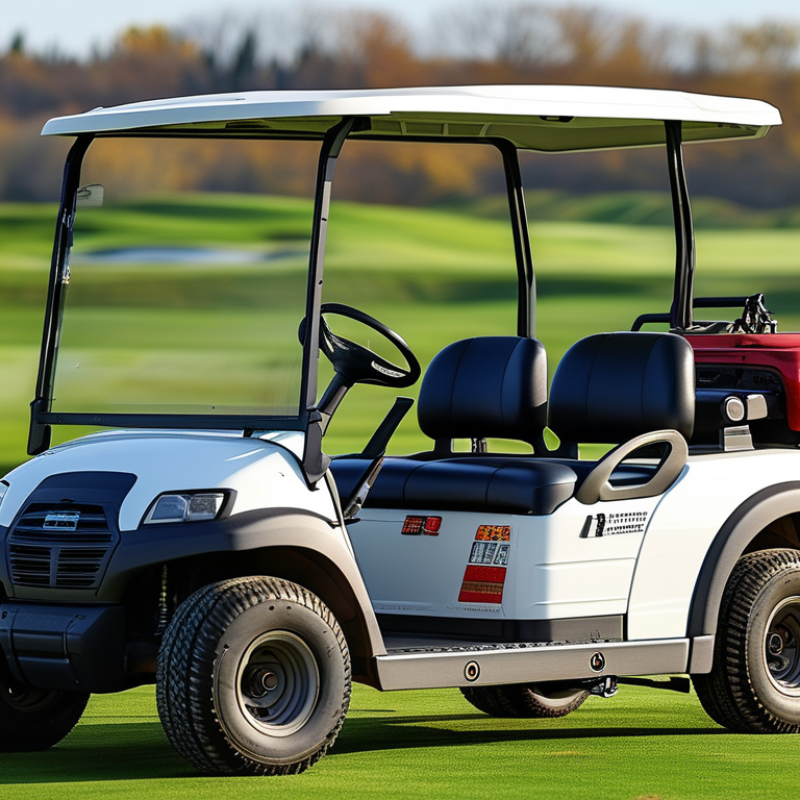
Golf carts are becoming essential in agriculture. Their compact size makes them perfect for navigating tight spaces on farms. Farmers can transport tools, seeds, and even small livestock easily. This efficiency can save time during busy planting and harvesting seasons. Many farmers have found that the reduced soil compaction from using lighter vehicles leads to healthier crops.
Another advantage is the cost-effectiveness of using golf carts. They require less fuel than larger vehicles, which can significantly lower operational costs. Farmers can also maintain them at a fraction of the price of a tractor. However, not all tasks are suitable for golf carts. They may struggle with rough terrain or heavy loads. Choosing the right vehicle for the right job remains crucial. Balancing efficiency and practicality ensures better productivity while minimizing regret over choices made.
Golf carts have gained popularity on farms for their practicality. These small vehicles offer versatile applications that can transform farming efficiency. Farmers often use them for transporting tools and supplies around extensive fields. They navigate easily through narrow paths that larger vehicles cannot manage. This flexibility reduces time spent walking long distances.
In addition, golf carts provide an efficient means of monitoring crops and livestock. Farmers can quickly assess conditions without needing to drive larger machinery. This approach allows for timely decisions about care and maintenance. However, not every farmer utilizes this option effectively. Some still rely on older methods, which can slow down their operations.
Moreover, golf carts can facilitate connections between different parts of the farm. They help bridge the gap between remote fields and central hubs. However, integrating them into farming plans requires careful consideration. It’s essential to evaluate load capacities and battery life. Some farmers find they underestimate these aspects.
Overall, as a farming tool, golf carts hold significant potential but require thoughtful implementation.
In modern farming, efficiency is key. Golf carts have emerged as effective tools in agricultural operations. They provide a convenient means of transportation across large fields. Farmers can move quickly between tasks, reducing downtime.
According to recent agricultural efficiency reports, implementing utility vehicles, like golf carts, can boost productivity by up to 25%.
These vehicles are ideal for transporting supplies, tools, and small harvests. For instance, moving fertilizing equipment or irrigation gear is effortless. This functionality is especially crucial during peak seasons. However, some farms may not fully utilize their capabilities. Proper planning and scheduling can maximize their effectiveness.
Moreover, golf carts are adaptable to various terrains. Their compact size allows easy navigation through tight spaces. In fields where larger vehicles struggle, golf carts excel. Nonetheless, not all operations see the same benefits. Assessing specific needs can uncover areas for improvement. Embracing golf carts may transform farming practices when done thoughtfully.
The use of golf carts in agriculture has gained momentum in recent years. Farmers appreciate their versatility and efficiency. These vehicles can navigate narrow paths and uneven terrain, making them ideal for large farms. Their electric models also offer quiet operation, which is beneficial for wildlife preservation.
Market trends indicate a growing demand for golf carts in both small-scale and large-scale farming. Innovations in battery technology improve efficiency and reduce environmental impact. However, some farmers question the initial investment cost. It’s a consideration when balancing short-term expenses against long-term benefits. Another challenge is the need for maintenance, which might require specialized knowledge and tools.
Industry insights reveal that adaptability is key. Many farms are exploring customized options to accommodate specific tasks. This could range from transporting tools to carrying supplies. As the market evolves, understanding these trends helps farmers make informed decisions. Nevertheless, it's essential to reflect on each farm's unique needs and geographical challenges when considering golf cart usage.
In farming environments, safety is essential when operating golf carts. These vehicles often traverse uneven terrain and operate near heavy machinery. Proper training for all operators is crucial to avoid accidents. Operators should be familiar with the cart's controls and limitations. Unexpected bumps or turns can lead to rollovers, particularly if speed is not managed well.
Wearing safety gear like helmets can help mitigate risks. Operators must stay alert to their surroundings. Farm equipment and livestock can pose additional hazards. It's important to communicate effectively with team members, especially in noisy environments. Regular maintenance checks can prevent mechanical failures, which are common causes of accidents. Observing weight limits is also necessary; overloading a cart can compromise its stability.
Visibility plays a significant role in safety too. Farm layouts may not provide clear sightlines. Operators should use caution in blind spots. Training sessions could include simulated scenarios to better prepare drivers. Reflecting on past incidents within the organization can foster a culture of safety. Each farm might have unique challenges, requiring tailored safety protocols.
| Use Case | Description | Safety Considerations | Recommended Accessories |
|---|---|---|---|
| Crop Inspection | Use for closely monitoring crop health and field conditions. | Ensure visibility and check for potholes. | Rearview camera, protective roll cage. |
| Transporting Workers | Safely move farmworkers around the site. | Limit passenger capacity to avoid tipping. | Seat belts, safety bar. |
| Material Transport | Carry tools, fertilizers, and supplies. | Distribute weight evenly to prevent accidents. | Cargo bed, tie-down straps. |
| Irrigation Check | Monitor irrigation systems across fields. | Be aware of wet areas that may be slippery. | Non-slip wheels, protective matting. |
| Emergency Response | Quick transport for emergencies or injuries. | Maintain clear access routes. | First-aid kit, emergency light. |
| Field Maintenance | Use for maintenance tasks such as fence repairs. | Watch for obstacles and uneven terrain. | Tool racks, warning flares. |
| Harvesting Aid | Assist with transporting harvested produce. | Ensure goods are secured to prevent spilling. | Cargo nets, support racks. |
| Pest Control | Transport pest control equipment across fields. | Follow safety guidelines for chemical exposure. | Chemical storage boxes. |
| Community Engagement | Use in local farm events or fairs for visibility. | Be mindful of traffic and pedestrians. | Decorative wrap, flags. |
: Golf carts are compact and efficient. They easily transport tools, seeds, and small livestock. This saves time during planting and harvesting.
Lighter vehicles reduce soil compaction. This leads to healthier crops over time.
Yes, they consume less fuel than larger vehicles. Maintenance costs are also lower compared to tractors.
No, they struggle with rough terrain and heavy loads. It's important to choose the right vehicle for each job.
Yes, some worry about the initial costs. Balancing short-term expenses with long-term savings is crucial.
Demand is growing for both small and large farms. Innovations in battery technology are enhancing efficiency.
Maintenance can require specialized knowledge and tools. This might be a hurdle for some farmers.
Farms need custom options for specific tasks. Every farm has unique needs and geographical challenges.
Electric golf carts operate quietly, benefiting wildlife. Their use is increasing in farms focused on preservation.
Yes, it's essential to consider each farm's challenges. This reflection helps in making better decisions.
Golf carts have emerged as versatile tools in agriculture, proving their worth in various farming operations. With their compact size and mobility, they enhance efficiency by allowing farmers to navigate easily across large fields, transport supplies, and monitor crop conditions. The benefits of using golf carts in farming include reduced physical strain on workers and lower operational costs compared to traditional vehicles.
Furthermore, market trends indicate a growing acceptance of golf carts in the agricultural sector, highlighting their potential beyond recreational use. This raises the question: can golf carts be used for farming or industrial use? The answer is a resounding yes, as they not only streamline daily tasks but also contribute to safety in farming environments. However, it is essential to consider safety protocols when operating them in such settings to maximize their effectiveness and ensure a secure working environment.
Golvaris Car