Electric golf carts look simple, yet their reliability depends on small maintenance habits. The National Golf Foundation’s 2024 U.S. Golf Industry Report recorded approximately 531 million rounds played in the United States during 2023. That level of course activity means carts often face repeated charging, braking, vibration, and weather exposure. A neglected cart may still move, but its battery range and stopping performance can decline quietly.
This guide explains how to maintain an electric golf cart properly through practical, manufacturer-aligned routines. Begin with the battery system. Inspect terminals for white corrosion, tighten loose connections, and keep the battery compartment clean and dry. Flooded lead-acid batteries require distilled water after charging, while lithium batteries must never be filled with water. Do not guess. Check the owner’s manual first.
The U.S. Department of Energy’s Alternative Fuels Data Center identifies battery condition, charging practices, and temperature as important factors affecting battery performance. Therefore, use the correct charger and avoid leaving damaged cables in service. Check tire pressure with a gauge, inspect tread wear, and test the brakes on level ground before carrying passengers. Small checks matter.
Industry research from MarketsandMarkets continues to identify electric golf carts as a growing low-speed mobility segment. More carts also mean more maintenance mistakes. This guide is not perfect for every model. Controller settings, battery chemistry, and service intervals vary. When symptoms persist, a qualified technician should inspect the cart instead of relying on guesswork.
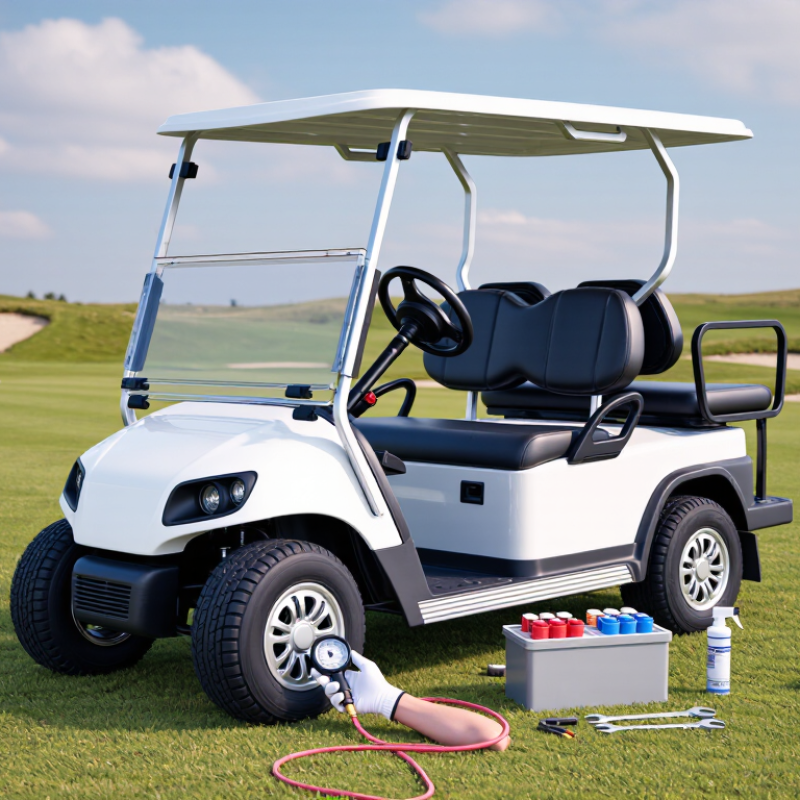
An electric golf cart depends on several connected systems, not just its battery. The battery pack stores energy for the motor and accessories. Lead-acid batteries need clean terminals, correct water levels, and secure connections. Lithium batteries need different care, so always follow their specific service instructions. Never mix maintenance methods between battery types.
The charger controls how energy returns to the battery pack. A damaged plug or loose cable can interrupt charging and create heat. I inspect these parts before every regular service visit. The motor converts electrical energy into movement, while the controller regulates speed and current. Dust around the motor may seem harmless, but it can restrict cooling. The solenoid acts like an electrical gate and may cause clicking when its contacts wear. I once blamed a weak battery for slow acceleration, but a corroded connection was the real problem. That mistake reinforced the value of testing before replacing parts. The transaxle transfers power to the wheels and needs suitable lubricant at scheduled intervals. Brakes, tires, suspension, and steering components also affect electrical performance indirectly. Underinflated tires make the motor work harder. Check tire pressure with a gauge, not by appearance. Inspect wiring for cracked insulation, loose terminals, or darkened areas. Small faults often grow quietly. Before opening electrical covers, switch off the system and use appropriate protective equipment. A service record with dates, voltage readings, and observed symptoms makes future diagnosis more reliable.
This chart shows practical baseline inspection intervals for major electric golf cart components. Tire pressure is typically checked weekly, while battery water levels, brakes, and the charger are commonly inspected monthly. Battery terminal cables and electrical connections can usually be checked every three months. Always follow the maintenance schedule for the specific cart and battery type.
The battery and charging system deserve regular attention, not occasional guesswork. Before inspection, park on a level surface, switch off the cart, and disconnect the charger. Wear eye protection and gloves, especially around flooded lead-acid batteries. Check each battery case for cracks, swelling, leaks, or unusual heat. Any of these signs requires professional service.
Look at the terminals and cables closely. Loose connections can create resistance, heat, and slow charging. Clean corrosion with an approved battery-cleaning solution, then dry the area thoroughly. Do not use metal tools carelessly near the terminals. For flooded batteries, check electrolyte levels after charging and add distilled water only when needed. Never overfill. Sealed batteries should not be opened. Follow the cart’s service manual for battery-specific procedures, because guessing here can shorten battery life. A simple log of water levels, charging dates, and warning signs can reveal patterns. It may feel unnecessary, but missed notes often explain later failures.
How to Properly Maintain an Electric Golf Cart
Checking Tires, Brakes, Steering, and Suspension
A safe electric golf cart begins with four properly inflated tires. Check pressure when the tires are cold, using the vehicle’s recommended specification. Inspect the tread for uneven wear, cuts, or embedded stones. Look closely at the sidewalls, too. Small cracks can become serious failures. Tighten loose lug nuts with a calibrated torque wrench, not just a quick guess.
Test the brakes on level ground before every regular outing. The pedal should feel firm and stop the cart smoothly. Listen for scraping, clicking, or unusual grinding. Examine brake cables, drums, and linkage for corrosion or excessive slack. Turn the steering wheel gently while the cart is stationary. Excessive play, stiffness, or delayed wheel movement may indicate worn joints or a damaged steering component. Never ignore it. I once dismissed a slight pulling sensation, and the tire wear later revealed a problem I should have checked earlier.
Tips: Park on a stable surface and switch off the power before inspections. Check suspension bushings, shock absorbers, and leaf springs for cracks, leakage, or sagging. Grease approved points according to the service manual, but avoid over-lubricating parts near the brakes. Use wheel chocks when lifting the cart, and never rely on a jack alone. If braking distance increases or steering feels unpredictable, stop riding and arrange a qualified inspection.
Practical inspection intervals and condition guidelines for safe, reliable electric golf cart operation
| Maintenance Area | Inspection Item | Recommended Frequency | What to Check | Acceptable Condition | Required Action | Safety Priority |
|---|---|---|---|---|---|---|
| Tires | Tire pressure | Before each use | Measure pressure with a reliable gauge when the tires are cool. Use the pressure shown on the tire sidewall or in the vehicle service manual. | All tires are inflated evenly and remain within the specified pressure range. | Adjust pressure as needed. Do not exceed the maximum pressure molded into the sidewall. | High |
| Tires | Tread and sidewalls | Weekly and before long trips | Look for cuts, cracks, bulges, punctures, exposed cords, embedded objects, and uneven wear. | Tread is clearly visible, sidewalls are intact, and there are no structural defects. | Replace a damaged or excessively worn tire. Do not operate with exposed cords or a bulging sidewall. | High |
| Tires | Wheel nuts and rim condition | Monthly | Check for loose wheel nuts, bent rims, corrosion, and movement between the wheel and hub. | Wheel nuts are secure and the rim runs true without visible damage. | Tighten to the vehicle manufacturer's torque specification and replace damaged hardware. | High |
| Brakes | Brake pedal operation | Before each use | Press the pedal and check for excessive travel, unusual noise, sticking, or a soft and inconsistent feel. | Pedal movement is firm and consistent, and the cart stops smoothly without pulling to one side. | Remove the cart from service if braking performance changes or stopping becomes difficult. | Critical |
| Brakes | Parking brake | Before each use | Engage the parking brake on a gentle incline or while stationary, following safe operating procedures. | The cart remains stationary without creeping or rolling. | Inspect and adjust the brake mechanism or have it serviced if the cart moves while parked. | Critical |
| Brakes | Brake cables, rods, and linkages | Monthly | Inspect for fraying, corrosion, bent components, loose fasteners, and restricted movement. | Components move freely and have no visible damage or excessive looseness. | Lubricate only approved pivot points and replace worn, frayed, or damaged parts. | High |
| Steering | Steering wheel free play | Monthly | With the cart stationary, gently move the steering wheel left and right before the front wheels respond. | Free play is minimal and does not affect the ability to maintain a straight path. | Have the steering system inspected if looseness increases, steering feels vague, or the cart wanders. | High |
| Steering | Tie rods, ball joints, and steering knuckles | Every 3 months | Look for worn joints, missing retaining hardware, damaged boots, corrosion, and abnormal movement. | Joints are secure, boots are intact, and there is no noticeable looseness. | Replace worn or damaged steering components before returning the cart to service. | Critical |
| Steering | Wheel alignment | Every 6 months or after impact | Check for uneven tire wear, steering pull, an off-center steering wheel, or visible changes after hitting an obstacle. | The cart tracks straight on a level surface and tire wear is reasonably even. | Inspect suspension and steering parts, then correct alignment using the specified procedure. | High |
| Suspension | Leaf springs or suspension arms | Monthly | Inspect for cracks, bending, broken leaves, shifted components, damaged bushings, and loose fasteners. | Suspension components are straight, secure, and free from cracks or severe corrosion. | Replace damaged springs, arms, bushings, or mounting hardware. Do not weld cracked load-bearing parts unless approved by the service manual. | High |
| Suspension | Shock absorbers and mounting points | Every 3 months | Check for oil leakage, dents, loose mounts, damaged rubber bushings, and excessive bouncing after a controlled compression test. | Mounts are tight, there is no fluid leakage, and the cart settles promptly after movement. | Replace leaking or ineffective shock absorbers and damaged mounting hardware. | Medium to High |
| Suspension | Ride height and load balance | Every 6 months | Compare left and right sides on level ground and check for sagging, uneven loading, or excessive cargo weight. | The cart sits level and remains stable under its rated passenger and cargo load. | Redistribute cargo, remove overloading, and inspect springs or suspension components if one side sags. | High |
| Electrical Safety | Battery cables and terminals | Monthly | With the system safely isolated, inspect cables and terminals for looseness, corrosion, heat damage, cracked insulation, or swelling. | Connections are clean, tight, dry, and free of damaged insulation. | Disconnect power according to the service procedure before cleaning or tightening. Replace damaged cables and terminals. | Critical |
| Electrical Safety | Battery charging area | Before charging | Check for water, debris, damaged charging connectors, blocked ventilation, unusual odor, or excessive heat. | The area is clean, dry, ventilated, and free from visible charging-system damage. | Stop charging and seek qualified service if there is smoke, sparking, swelling, leakage, or an unusual odor. | Critical |
| Fasteners | Chassis and suspension hardware | Every 3 months | Check accessible bolts, nuts, and mounting brackets for looseness, missing hardware, or corrosion. | Fasteners are present, secure, and free from significant corrosion or deformation. | Tighten only to the applicable service specification and replace missing or damaged hardware. | High |
| Road Test | Low-speed functional check | After maintenance | Test acceleration, braking, steering return, stability, unusual noises, and the parking brake in a clear, low-traffic area. | The cart accelerates, stops, turns, and parks predictably without abnormal sounds or vibration. | Stop testing immediately if the cart pulls, vibrates, fails to stop, or shows any new safety-related symptom. | Critical |
Important: Always follow the vehicle's service manual for exact torque values, tire pressure, load limits, battery procedures, and adjustment specifications. Disconnect the power source before servicing electrical components, and have critical brake, steering, or suspension repairs performed by a qualified technician.
Cleaning, lubricating, and protecting an electric golf cart requires steady, careful habits. Before cleaning, switch off the cart and disconnect the charger. Remove loose grass, sand, and leaves with a soft brush. Use mild soap, clean water, and a damp cloth on painted surfaces. Avoid directing high-pressure water toward batteries, wiring, switches, or the motor. Dry these areas immediately with a clean towel.
Small details matter.
Lubricate only the points listed in the service manual. Apply a small amount to steering joints, suspension fittings, and hinges when required. Keep grease away from brake surfaces, belts, tires, and electrical contacts. Too much lubricant attracts dust and creates a gritty paste. I once used more grease than necessary, thinking extra protection would help. It only made the joint dirtier.
Less is often safer.
Protection continues after the cart looks clean. Inspect battery terminals for corrosion, then clean them using the approved method for your battery type. Wear eye protection and gloves. Check for cracked cables, loose connections, or damaged covers before driving. Store the cart under a breathable cover in a dry, shaded place. Keep water from pooling beneath it. I still occasionally miss dirt around the rear suspension, so I now use a small flashlight during inspections. That simple habit has revealed problems early.
A dependable electric golf cart needs scheduled care, not occasional repairs. Check tire pressure every week, especially before carrying passengers or climbing slopes. Uneven pressure increases rolling resistance and can make steering feel unstable. Inspect the battery area monthly. Look for corrosion, loose cables, cracked cases, or unusual heat after charging. The U.S. Department of Energy’s 2024 battery report explains that battery aging continues even when usage is light. That detail is easy to overlook.
Clean flooded lead-acid battery terminals every month with an approved neutralizing solution. Add distilled water only after charging, unless the battery instructions state otherwise. Never overfill. Battery Council International reports that lead batteries achieve a recycling rate above 99% in the United States, but proper handling still matters. I once delayed a terminal inspection by several weeks. The cart still moved, but acceleration became noticeably weaker. That was a useful warning, not a success.
Tips: Keep a simple maintenance log. Record charging dates, water levels, tire pressure, and unusual sounds. Test the brakes and parking brake before each regular use. Lubricate steering and suspension points according to the service manual, usually every three to six months. Inspect wiring every quarter for rubbed insulation. Replace damaged parts promptly. A missed inspection can become an expensive lesson.
Park on level ground and switch off the cart. Disconnect the charger. Wear gloves and eye protection, especially near flooded batteries. Safety can feel repetitive.
Look for cracks, swelling, leaks, or unusual heat. Stop using the cart if you notice any warning sign. A qualified technician should inspect it.
Check for loose connections, corrosion, cracked cables, and damaged covers. Clean corrosion with an approved battery-cleaning solution. Dry the area completely afterward.
Check electrolyte levels after charging. Add distilled water only when necessary. Never overfill the cells. Sealed batteries should not be opened.
Check tire pressure when the tires are cold. Inspect tread, sidewalls, cuts, stones, and uneven wear. Test the brakes before every regular outing.
Excessive steering play, stiffness, or delayed wheel movement needs attention. Check bushings, shock absorbers, and leaf springs for cracks or sagging. Do not ignore pulling sensations.
Remove grass, sand, and leaves with a soft brush. Use mild soap and a damp cloth. Keep high-pressure water away from batteries, wiring, switches, and the motor.
Follow the service manual and use small amounts on approved joints, hinges, and suspension fittings. Keep grease away from brakes, tires, belts, and electrical contacts. I once used too much grease; dust quickly stuck to it.
Dry the cart and place it under a breathable cover in a dry, shaded area. Prevent water from pooling underneath. A small flashlight can reveal dirt near the rear suspension. I still miss spots sometimes.
Proper electric golf cart maintenance begins with understanding its main components, including the battery, charger, motor, tires, brakes, steering system, suspension, and electrical connections. To learn how to maintain an electric golf cart properly, inspect the battery regularly for clean terminals, secure cables, correct fluid levels when applicable, and signs of damage. Use the correct charging routine, avoid overcharging, and keep the charging area dry and well ventilated. Check tire pressure and tread, test the brakes, and make sure the steering and suspension operate smoothly before driving.
A clean cart is easier to inspect and less likely to develop corrosion. Wash away dirt, dry all surfaces thoroughly, lubricate suitable moving parts, and protect exposed components from moisture. Create a regular maintenance schedule with quick checks before use, weekly inspections, and more thorough monthly or seasonal servicing. Recording completed tasks can help identify wear early, improve safety, extend component life, and keep the electric golf cart reliable and efficient.

Golvaris Car