In the world of golf carts, a debate is brewing: are lithium golf carts better than lead acid ones? This question drives many golfers to reconsider their choices. Lithium batteries have become popular due to their lightweight and compact design. They charge faster and have longer lifespans compared to traditional lead acid batteries. Many users report enjoying longer rides without the need for frequent recharging.
Yet, lead acid carts still hold their ground. They are often more affordable upfront, making them appealing for budget-conscious buyers. Some players may feel unsure about the reliability of lithium technology. Transitioning from lead acid to lithium requires adjustment, both financially and operationally. The experiences of users can greatly influence opinions in either direction.
Deciding which type of golf cart is better depends on individual needs. Evaluating performance, cost, and personal preferences is crucial. As golf cart technology evolves, so does the need to question established norms. Whether for leisure or competitive play, understanding these differences helps golfers make informed decisions.
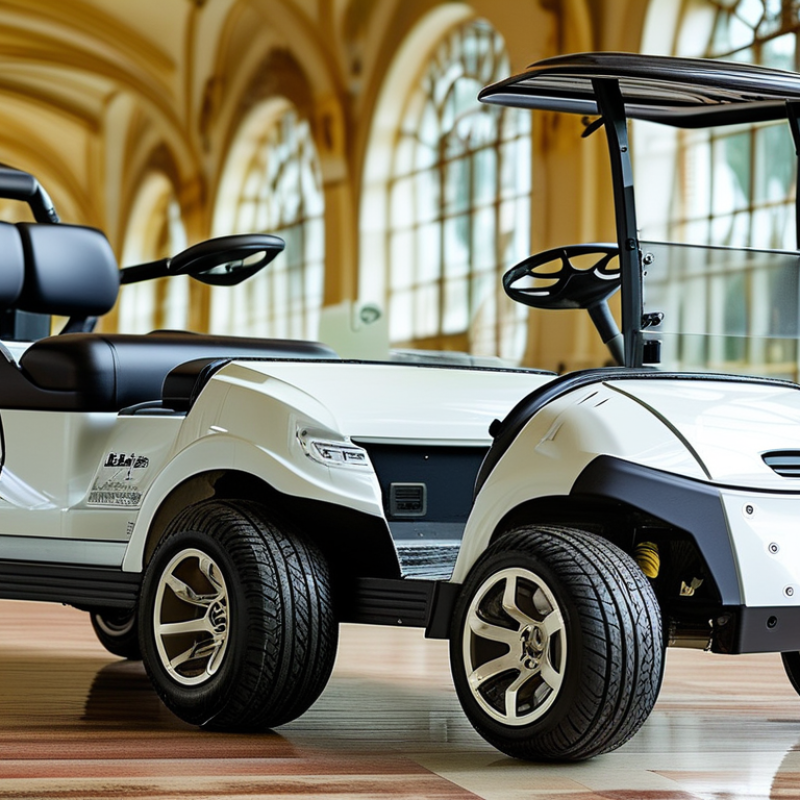
Comparison of Lithium and Lead Acid Golf Carts
When comparing lithium and lead acid golf carts, several factors come into play. Lithium batteries are significantly lighter than lead acid batteries. This weight difference improves the overall efficiency of the golf cart. Users often notice increased speed and better handling with lithium options. For those who prioritize performance, this is a crucial consideration.
However, lead acid batteries offer a lower upfront cost, making them attractive to budget-conscious buyers. Despite their affordable price, they tend to be heavier and require more maintenance. Users may find themselves replacing lead acid batteries more frequently due to their shorter lifespan. This ongoing expense can offset initial savings.
[Image Placeholder]
Lithium batteries, on the other hand, have a much longer lifespan. They can last up to twice as long as lead acid batteries. This durability means fewer replacements and less hassle over time. Yet, some customers still feel hesitant due to the higher initial investment. Each option has its pros and cons, and personal needs will dictate the best choice. Evaluating long-term use versus short-term cost is essential in making an informed decision.
Advantages of Lithium Golf Carts Over Lead Acid Models
When comparing lithium golf carts to lead-acid models, several advantages stand out.
Lithium batteries are lighter, which enhances the overall performance of the cart. This reduction in weight can improve speed and efficiency. For golfers looking for a better experience on the course, these benefits are hard to overlook.
Moreover, lithium batteries charge faster and have a longer lifespan. With proper maintenance, they can last up to ten years. This means less frequent replacements, saving both time and money in the long run. However, the initial cost may be higher for lithium carts, and some users might question the value.
Another noteworthy aspect is energy efficiency. Lithium carts often provide more usable power, which translates to longer drives between charges. While lead-acid models may work well for casual use, they can struggle during more demanding rounds. Golfers might find that lithium offers a consistent performance, even in varied terrains.
Nevertheless, it's essential to weigh these benefits against personal needs and usage patterns.
Disadvantages of Using Lithium Golf Carts
When considering lithium golf carts, it's important to look at their disadvantages. One major concern is the cost. Lithium batteries are significantly more expensive than traditional lead-acid options. This higher initial investment can be a barrier for many users. While lithium carts are more efficient, not all golfers are ready to spend that much upfront.
Another issue is maintenance and repair. Lithium batteries can be complex. They often require specialized knowledge for repairs. If something goes wrong, finding a qualified technician may pose a challenge. Not all service centers are equipped to handle lithium technology, which can lead to increased downtime.
Additionally, the performance in extreme temperatures is worth discussing. Lithium batteries can underperform in very cold or hot conditions. This may affect golf cart reliability during winter rounds or summer heat. Users need to consider whether their typical climate necessitates extra caution. Overall, while lithium options have their allure, these challenges should be thoughtfully weighed before making a switch.
Are Lithium Golf Carts Better Than Lead Acid Carts? - Disadvantages of Using Lithium Golf Carts
| Features |
Lithium Golf Carts |
Lead Acid Golf Carts |
| Weight |
Approximately 50% lighter |
Heavier and bulkier |
| Battery Lifespan |
Up to 10 years |
3 to 5 years |
| Charging Time |
2-4 hours |
8-12 hours |
| Cost |
Higher upfront cost |
Lower upfront cost |
| Environmental Impact |
Less harmful to environment |
Toxic heavy metals |
| Maintenance |
Low maintenance |
Regular maintenance required |
| Temperature Tolerance |
Better performance in extreme temperatures |
Performance drops in extreme temperatures |
Cost Analysis: Lithium vs. Lead Acid Golf Carts
When evaluating lithium golf carts versus lead acid carts, cost becomes a major factor. Lithium batteries typically have a higher upfront cost. But they last longer and require less maintenance. Over time, this could mean savings for golf course operators. Lead acid batteries may be cheaper initially, but they need regular replacements. This frequent expense can add up quickly.
Consider the charging process. Lithium batteries charge faster and offer greater efficiency. A quick charge can last throughout a long day. In contrast, lead acid batteries take longer to charge fully. If you have busy golf days, this can be a drawback.
Tip: Look at the total cost of ownership. Factor in lifespan, charging times, and maintenance when comparing options.
Choosing the right battery type is not a one-size-fits-all decision. Assess your specific needs before deciding. Some users may find lead acid suits their budget better, while others may benefit from lithium batteries. Each type has pros and cons, so weigh them carefully.
Tip: Consider testing both types if possible. Real-world experience can provide valuable insights on performance and reliability.
Environmental Impact of Lithium and Lead Acid Batteries
The environmental impact of lithium and lead acid batteries is significant. Lithium batteries are often touted as a greener alternative. They contain fewer toxic materials compared to lead acid batteries. According to the U.S. Department of Energy, lithium-ion batteries can reduce greenhouse gas emissions by up to 30% over their lifespan. However, lithium mining poses its own environmental challenges, including habitat disruption and water usage.
On the other hand, lead acid batteries are recyclable, with over 95% of their components being recoverable. This makes them less harmful to the environment after they reach the end of their life cycle. The International Lead Association reports that recycling lead saves a major amount of energy compared to mining new lead. Yet, lead itself is a toxic metal. There are risks associated with improper disposal, which can lead to soil and water contamination.
Navigating the choices between these battery types isn't straightforward. While lithium batteries have a lower operational carbon footprint, they bring environmental concerns during production. Lead acid systems are damaging but offer an established recycling framework. This contrast invites reflection on what "green" truly means in battery technology. Understanding these complexities is crucial for any sustainable decision.
Comparison of Environmental Impact: Lithium vs Lead Acid Golf Carts
FAQS
: Lithium batteries are lighter and improve efficiency. Lead acid batteries are cheaper but heavier and need more maintenance.
Lithium batteries can last up to twice as long, reducing replacements over time.
Lithium batteries are more expensive initially, while lead acid batteries have a lower upfront cost.
Lithium batteries can be complex and may require specialized technicians for repairs, increasing downtime.
Lithium batteries can underperform in cold or hot conditions, impacting golf cart reliability during extreme weather.
Lithium batteries reduce greenhouse gas emissions but mining poses risks. Lead acid batteries are recyclable but can be toxic if disposed of improperly.
The higher initial cost can be a barrier, making users reluctant to switch despite efficiency benefits.
Lead acid batteries can contaminate soil and water if disposed of incorrectly, despite being recyclable.
Weigh the long-term benefits of lithium against the short-term savings of lead acid. Personal needs play a crucial role.
While lithium has a lower operational carbon footprint, its production raises environmental concerns needing careful consideration.
Conclusion
The article titled "Are Lithium Golf Carts Better Than Lead Acid Carts?" explores the key differences between lithium and lead acid golf carts. It highlights the advantages of lithium models, such as longer lifespan, lighter weight, and faster charging times, which enhance performance on the golf course. However, it also addresses the disadvantages, including higher initial costs and potential thermal management issues that some users may face.
Additionally, the cost analysis shows that while lithium carts have a higher upfront price, their longevity and reduced maintenance can lead to savings over time. The environmental impact of both battery types is also considered, with lithium generally being seen as more eco-friendly. Ultimately, the article provides a comprehensive overview to help readers determine if lithium golf carts are better than lead acid ones based on their specific needs and priorities.

 Golvaris Car