In recent years, the question of why are EV golf carts becoming more popular has sparked considerable interest. As communities seek sustainable transportation options, electric golf carts emerge as an appealing choice. These vehicles provide an eco-friendly alternative for short-distance travel, particularly in golf courses and residential areas. Their quiet operation and low emissions contribute to a more pleasant environment.
Electric golf carts also offer cost-efficient benefits. With rising fuel prices, people gravitate towards electric solutions. Maintenance costs for EV golf carts tend to be lower than traditional gas-powered models. This affordability appeals to both casual golfers and residents in golf communities.
Moreover, advancements in technology enhance performance and convenience. Features like better batteries, improved ranges, and smart integrations make EV golf carts more attractive. As consumers embrace these innovations, it becomes clear why they are gaining traction. However, some challenges remain. Not everyone is familiar with charging options, and range anxiety can still be a concern. Addressing these issues is key for further adoption.
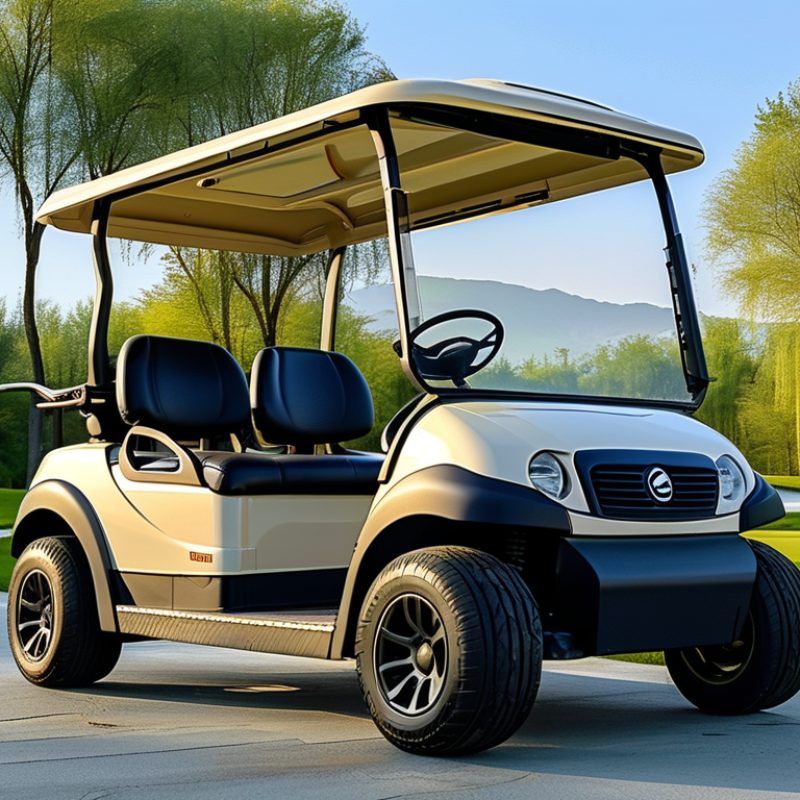
The Rise of Eco-Friendly Transportation: EV Golf Carts in 2023
The rise of eco-friendly transportation has significantly impacted various industries. In 2023, electric vehicle (EV) golf carts are becoming increasingly popular. According to a recent industry report, the market for EV golf carts is projected to grow by over 20% annually. This trend is driven by environmental awareness and the desire for sustainable alternatives.
Many users appreciate that EV golf carts produce zero emissions. This aligns with growing concerns over climate change. Additionally, these vehicles are quieter than traditional gas carts, enhancing the overall experience on golf courses and in residential communities. The convenience of charging at home adds to their appeal. Most essential, operating costs tend to be lower. Data shows that EV golf carts can save owners up to 60% on fuel and maintenance costs in just a few years.
However, challenges remain. The infrastructure for charging in some areas is still lacking. Users may face range anxiety on longer courses. There is also a need for education on the benefits and proper maintenance of these vehicles. Addressing these concerns is vital for wider acceptance. The transition to EV golf carts signals a broader movement towards greener alternatives in transportation.
Top 5 Reasons Why EV Golf Carts Are Gaining Popularity
Market Trends: Growth Rate of the EV Golf Cart Industry in Recent Years
The EV golf cart industry has experienced significant growth in recent years. According to market reports, the global market is expected to expand at a rapid pace. This surge can be attributed to several factors, such as the increasing popularity of electric vehicles and sustainability efforts. Many consumers are now opting for green transportation options.
The desire for environmentally friendly alternatives is changing consumer preferences. Golf courses are adopting EV golf carts, reducing carbon footprints during play. Additionally, advances in battery technology have made these carts more efficient and reliable. However, there are still challenges to address, such as range limitations and charging infrastructure.
Despite the obstacles, the market is evolving. Innovations continue to emerge, making EV golf carts more appealing. Consumers appreciate the low maintenance costs and reduced noise levels. As the industry grows, manufacturers must focus on enhancing performance and addressing any shortcomings. It's essential to track these trends for informed decision-making in the future.
Cost Efficiency: Comparing Lifetime Expenses of EV vs. Gas-Powered Golf Carts
The shift towards electric vehicles (EVs) in the golf cart market is propelled by cost efficiency. A report from the National Golf Cart Association indicates that lifetime expenses for EV golf carts are significantly lower than for gas-powered counterparts. While gas-powered carts require regular fuel purchases and maintenance, EV carts mainly rely on electricity, which costs much less over time.
Additionally, maintenance for EV carts tends to be lower. According to a recent study by the Electric Drive Transportation Association, EVs have fewer moving parts compared to gas-powered engines. This results in reduced wear and tear, leading to an overall decrease in repair costs. Owners of EV golf carts often report savings of up to 50% on maintenance over several years, yet some grapple with charging accessibility on the course.
Despite the clear financial advantages, consumers must consider charging infrastructure. Many areas still lack adequate charging stations, which may result in inconveniences. As the industry evolves, some golf courses are adapting but not all. This inconsistency leads to uncertainty for potential buyers and requires careful consideration of local conditions before making a purchase. As more data emerges, the popularity of EV golf carts is expected to surge, but challenges remain.
Environmental Benefits: Reduction in Carbon Footprint with EV Golf Carts
Electric Vehicle (EV) golf carts are gaining traction for numerous reasons. One key factor is their environmental benefits. According to a report by the International Energy Agency, EVs can reduce greenhouse gas emissions significantly. In fact, shifting from gasoline to electric engines can cut emissions by up to 60%. This reduction significantly lowers the carbon footprint of golf courses and recreational areas.
Adopting EV golf carts means less noise pollution too. Traditional gas carts disrupt the serene environment often sought in these spaces. With the implementation of electric carts, patrons can enjoy their games in a quieter atmosphere, enhancing the overall experience. It’s a win-win for both the environment and users.
Tip: Consider implementing recharging stations at your facility. This encourages more players to opt for EV carts. Additionally, regularly maintaining your electric fleet enhances efficiency and longevity. Remember, every small step towards sustainability helps our planet.
Technological Innovations: Advancements Driving EV Golf Cart Popularity
The rise of electric vehicle (EV) golf carts is largely fueled by technological innovations. Advanced lithium-ion batteries now ensure longer ranges and quicker charging times. This means golfers can enjoy a full day on the course without worrying about power. Moreover, regenerative braking systems help prolong battery life. This technology harnesses energy typically lost during braking, making EV golf carts more efficient.
Cloud-based software integration enables better fleet management for golf courses. Managers can track vehicle usage in real-time. This aids in maintenance scheduling and prolongs the lifespan of the carts. Additionally, the incorporation of GPS systems enhances user experience by providing accurate navigation on the golf course.
Sustainability has become a focal point in the industry. Golfers increasingly prefer eco-friendly modes of transportation. This shift is influenced by a global trend towards greener alternatives. However, some challenges persist. Charging infrastructure is not as widespread as traditional gas stations. Many players ponder whether investment in EV golf carts is worth the initial cost. These factors require thoughtful consideration as technology evolves.
FAQS
: EV golf carts can reduce greenhouse gas emissions by up to 60%, lowering the carbon footprint of golf courses.
Electric carts operate quietly, enhancing the serene environment desired by golfers, unlike traditional gas carts.
Lithium-ion batteries offer longer ranges and faster charging. Regenerative braking also increases efficiency.
Cloud-based software allows real-time tracking of cart usage for better maintenance and logistics.
While the initial cost can be high, the long-term savings and environmental benefits may justify the investment.
Charging infrastructure is limited. Many still rely on traditional fuel sources, leading to mixed preferences among players.
Implementing more recharging stations can attract players to choose electric options consistently.
Regular maintenance is crucial for efficiency and lifespan. Neglect can lead to performance issues over time.
Golfers are shifting towards eco-friendly choices, reflecting a broader trend towards sustainable practices globally.
The technology is still developing, and challenges like charging availability can create concerns for potential users.
Conclusion
In recent years, the popularity of electric (EV) golf carts has surged, with various factors contributing to this trend. One major reason why are EV golf carts becoming more popular is their alignment with the rise of eco-friendly transportation. As sustainability becomes a priority for consumers, EV golf carts offer a viable solution with reduced carbon footprints compared to gas-powered alternatives. Additionally, market trends show a significant growth rate in the EV golf cart industry, driven by advancements in technology and design that enhance overall performance.
Cost efficiency also plays a crucial role in their appeal. When comparing lifetime expenses, EV golf carts often prove to be more economical than traditional gas-powered carts, as they require less maintenance and lower fueling costs. Furthermore, technological innovations continue to enhance the functionality and user experience of EV golf carts, making them an attractive option for a diverse range of users. Collectively, these factors illustrate why EV golf carts are becoming an increasingly popular choice in recreational and residential settings.

 Golvaris Car