How to Understand the Popularity of Golf Carts in Gated Communities?

Time:2026-06-19 Author:Amelia
0%

Golf carts have gained immense popularity in gated communities. This trend raises the question: why are golf carts popular in gated communities? The reasons are both practical and social.

Firstly, golf carts offer a convenient way to navigate these neighborhoods. Many residents appreciate the ease of traveling short distances without needing a traditional vehicle. These communities often feature amenities like golf courses, pools, and clubhouses, making golf carts an ideal mode of transport. They can maneuver through narrow streets and paths, areas where full-size cars might struggle.

Social dynamics also play a crucial role. Golf carts promote a sense of community. Residents can easily meet neighbors and engage in conversation while cruising around. This social interaction helps foster friendships and unity within the gated environment. However, some may reflect on whether this mode of transport contributes to a disconnect from the outside world.

In conclusion, golf carts in gated communities highlight convenience, sociability, and a unique lifestyle. Exploring these factors sheds light on why golf carts remain a favored choice among residents.
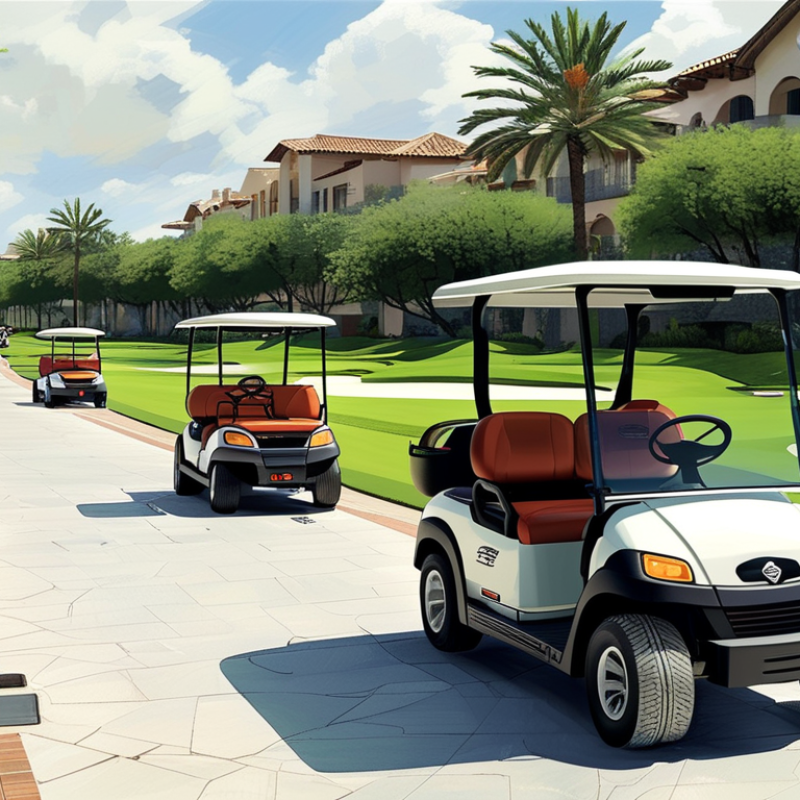
How to Understand the Popularity of Golf Carts in Gated Communities?

Popularity of Golf Carts in Gated Communities: An Overview

Golf carts have surged in popularity within gated communities, becoming a common mode of transport. According to a recent National Golf Cart Association report, over 30% of gated communities utilize golf carts as an alternative to traditional vehicles. This shift reflects a desire for convenience and eco-friendliness. Residents often cite the ease of navigating through tight spaces and the ability to access community amenities quickly.

Many residents appreciate the social aspect of golf carts. They promote a friendly atmosphere, allowing neighbors to interact more frequently. The ease of mobility encourages more outdoor activities, fostering a sense of community. However, not everyone is thrilled. Concerns about safety on shared paths arise as golf carts and pedestrians coexist. Data from the Safe Communities America initiative highlighted a 15% rise in golf cart-related accidents in residential areas over the past two years. This suggests a need for better management and regulations for golf cart use in these communities.

With sustainability becoming a priority, many communities now encourage electric golf carts. A report from the Electric Drive Transportation Association shows that electric models have grown by 40% in sales. This trend supports eco-friendly living, though questions about battery disposal and environmental impact remain. While residents enjoy the benefits of golf carts, community leaders must balance convenience and safety for all residents.

Factors Contributing to the Rise of Golf Cart Usage

Golf carts have become increasingly popular in gated communities. Several factors contribute to this trend. The convenience of traveling short distances within the community is a primary reason. Residents can quickly get to amenities like pools, parks, and shops. The low speed of golf carts allows for a relaxed atmosphere, making them ideal for families and retirees.

Safety is another critical factor. Many gated communities have limited car traffic, reducing the risk of accidents. Golf carts are easier to maneuver and park. This makes them suitable for close-knit neighborhoods where children play outside. Residents appreciate the eco-friendly aspect; using golf carts instead of cars reduces carbon footprints.

Tips: Consider investing in a good-quality charger. This can help extend battery life and improve performance. Regular maintenance checks are essential. They ensure safety and functionality. Lastly, think about upgrading your golf cart with storage options. This makes trips to the clubhouse or grocery runs more convenient, minimizing the hassle.

Understanding the Popularity of Golf Carts in Gated Communities

Demographic Trends: Who Drives Golf Carts in Gated Communities?

The rise of golf cart usage in gated communities reveals intriguing demographic trends. Recent studies show that more than 60% of golf cart users are retirees aged 55 and above. This group appreciates the convenience of easily navigating through their neighborhoods. With an increasing number of baby boomers entering retirement, the demand for personalized and leisurely modes of transportation grows.

In addition, younger families are joining the trend. They value golf carts for short commutes to community areas. Families often seek a sense of safety and community connection. Statistics reveal that 30% of golf cart drivers in these neighborhoods are under 40.

However, the presence of golf carts brings challenges. Residents must balance their appeal with safety concerns, such as road traffic and pedestrian interaction. Lastly, community regulations can impact ownership. Gated neighborhoods are often governed by specific rules about golf cart usage. Enforcement and educational programs may not always occur consistently. Residents face a steep learning curve about safe practices. The enjoyment of golf carts can lead to an inevitable reflection on safety and community dynamics.

Environmental Impact: Golf Carts vs. Traditional Vehicles

Golf carts have surged in popularity within gated communities, primarily due to their environmental benefits. These small vehicles produce far fewer emissions than traditional cars. They run on electricity, which means they can contribute to reduced air pollution in residential areas. Many communities recognize the need for greener transportation alternatives. Golf carts are often seen as a step towards sustainability.


However, there are trade-offs to consider. Golf carts can be limited in speed and range compared to conventional vehicles. Not all residents may feel comfortable relying solely on them for long trips. In some cases, golf carts may result in congested pathways, especially in busy seasons. Communities must assess the balance between the benefits of low emissions and the logistical challenges of increased usage.


Maintenance and charging infrastructure also play roles in this equation. While many households can charge carts at home, others may lack easy access to charging stations. This limitation can discourage usage or create dissatisfaction among residents. Overall, while golf carts contribute positively to the environment, the practical aspects need careful evaluation.

Economic Aspects: Cost-Benefit Analysis of Golf Cart Ownership

The demand for golf carts in gated communities often stems from economic factors. The initial investment may seem high, but the long-term savings can be significant. Maintenance costs are generally low. Charging a golf cart costs less than fueling a car. For many residents, this turns into a practical choice.

Insurance costs for golf carts are usually lower than for traditional vehicles. Furthermore, golf carts can help maintain property values in a community. They encourage a sense of safety and promote a relaxed lifestyle. A simple ride to the community pool can save time and energy.

However, some residents might hesitate. The resale value of golf carts can fluctuate. Not everyone appreciates their convenience. Additionally, not all communities allow golf carts, leading to potential complications. These nuances must be carefully considered before purchasing.

How to Understand the Popularity of Golf Carts in Gated Communities? - Economic Aspects: Cost-Benefit Analysis of Golf Cart Ownership

Aspect Details
Initial Cost $5,000 - $15,000
Maintenance Cost (Annual) $300 - $600
Insurance (Annual) $150 - $400
Fuel/Electricity Cost (Annual) $100 - $250
Resale Value After 5 Years Approximately 50% of Initial Cost
Usage Frequency (Weekly) 3 - 7 Times
Typical Distance per Trip 1 - 3 Miles
Community Amenities Accessible by Cart Golf Courses, Pools, Clubhouses

FAQS

: What are the main reasons for golf cart popularity in gated communities?

: Convenience for short distances, safety due to limited car traffic, and eco-friendliness are key factors.

How do golf carts contribute to environmental sustainability?

They produce fewer emissions and run on electricity, reducing air pollution in residential areas.

What challenges might residents face when using golf carts?

Limited speed and range, potential congestion on pathways, and access to charging stations may be concerns.

What are some tips for maintaining a golf cart?

Regular maintenance checks and investing in a good-quality charger can enhance performance and safety.

Are there economic benefits to owning a golf cart?

Yes, maintenance and charging costs are lower than fueling a car, leading to long-term savings.

What should potential buyers consider before getting a golf cart?

The fluctuating resale value and community regulations on golf cart usage are important factors to evaluate.

Is it safe for children to play around golf carts?

Golf carts are safer than cars in quiet communities but still require attention during playtime.

Can golf carts enhance property values in a community?

Yes, they can promote a sense of safety and leisure, potentially maintaining or raising property values.

What inconveniences might arise from increased golf cart usage?

Congested pathways during busy seasons can be a concern for residents and visitors alike.

Are golf carts suitable for long trips outside the community?

Many residents may be uncomfortable relying solely on golf carts for longer journeys due to range limitations.

Conclusion

The article "How to Understand the Popularity of Golf Carts in Gated Communities?" explores the growing trend of golf cart usage in these exclusive neighborhoods. One key reason behind this phenomenon is the convenience they offer for residents navigating the community’s streets. Factors such as an aging population, who often prefer easy-to-drive vehicles, and the appeal of a more leisurely lifestyle contribute significantly to why golf carts are popular in gated communities.

Moreover, the environmental impact of golf carts is more favorable compared to traditional vehicles, as they produce fewer emissions and promote sustainability. An economic analysis reveals that owning a golf cart can be a cost-effective alternative for homeowners, providing savings on fuel and maintenance. Overall, the rising popularity of golf carts is driven by demographics, environmental consciousness, and economic benefits, confirming their status as a practical solution for modern gated living.

Amelia

Amelia

Amelia is a seasoned marketing professional with a wealth of expertise in our company’s core offerings. With an unwavering passion for driving growth and innovation, she plays a pivotal role in shaping our marketing strategies and enhancing brand visibility. A key aspect of her responsibilities......