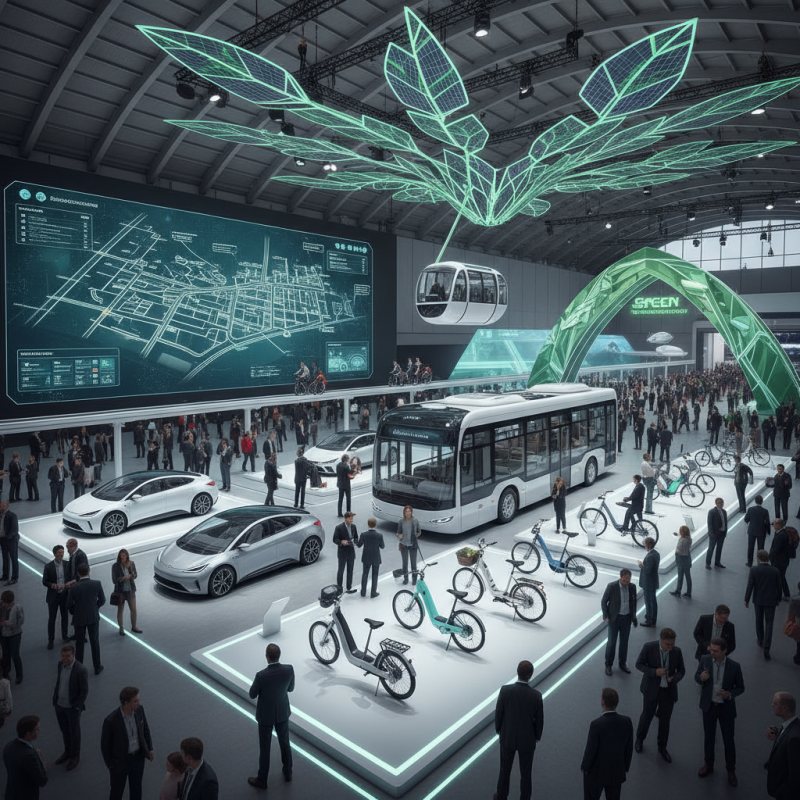
The 139th Canton Fair in 2026 will spotlight innovative advancements in Zero Emission Transport. This emerging sector aims to revolutionize how we think about transportation. As Dr. Emma Zhang, a leading expert in sustainable transport, notes, “The future of transport must be green, efficient, and accessible to all.”
In a space of 1.55 million square meters, the fair will explore solutions that address climate challenges. The integration of AI technology will enhance the visitor experience in navigating the vast exhibition grounds. Attendees can expect dedicated zones showcasing electric vehicles, high-efficiency public transport, and other zero-emission technologies.
However, this transition is not without its obstacles. Some innovations still lack public acceptance or widespread infrastructure. The road to comprehensive adoption of Zero Emission Transport may be long and winding, filled with both progress and setbacks. As society pushes towards a greener future, it is essential to reflect on the effectiveness and accessibility of these technologies for everyone, ensuring no one is left behind.
Understanding Zero Emission Transport: Definition and Importance
Zero Emission Transport is gaining traction in today's world. As we face climate change, this transport method emerges as a crucial solution. The transportation sector contributes approximately 24% of global CO2 emissions, according to the International Energy Agency. Reducing these emissions is critical for a sustainable future.
Understanding zero emission transport involves electric and hydrogen-powered vehicles. These technologies promise cleaner air and reduced greenhouse gas emissions. A report from the International Transport Forum highlights that if adopted widely, zero emission transport could reduce emissions by up to 70% by 2050. This is vital for meeting global climate goals.
However, challenges remain. Infrastructure for charging and refueling needs significant improvements. Current electric vehicle adoption rates are still low. Data suggests only about 10% of vehicles sold in 2022 were electric. This requires urgent attention from policymakers and engineers. Transitioning to zero emissions may take time, but the benefits are undeniable. A collective effort is essential to achieve this vision.
Innovative Technologies Showcased for Zero Emission Transport
At the 139th Canton Fair in 2026, innovative technologies aimed at zero emission transport will take center stage. This sector has seen a surge in investment, with over $500 billion dedicated to clean transportation initiatives globally. The reliance on fossil fuels is declining. Electric and hydrogen-powered vehicles are gaining traction. A recent report highlights that battery electric vehicles could constitute about 60% of new car sales by 2030.
One of the most striking innovations is the development of vehicle-to-grid technology. This allows electric vehicles to feed energy back into the grid. Tech experts argue that this could stabilize energy prices and reduce reliance on coal. However, the integration of this technology is still in its infancy. Challenges remain, such as the need for robust infrastructure and improved battery technology.
Additionally, smart mobility solutions are evolving rapidly. They promise to enhance urban transport systems. For example, autonomous shuttles can improve efficiency and accessibility. But cities need to address regulatory hurdles. The growth of zero-emission transport depends on collaboration between tech providers and city planners. There's still a long way to go in achieving seamless, sustainable transport systems.
Key Participants and Industry Leaders at the Canton Fair
At the 139th Canton Fair in 2026, zero emission transport takes center stage. Key players from various sectors will gather to highlight advancements in sustainable transport solutions. Industry leaders express a vision for a greener future. They aim to push boundaries and ignite discussions around innovative technologies. Electric vehicles, hydrogen-powered options, and biodiesel projects are on display.
Amid the excitement, some participants question if zero emission goals are realistic. Can the infrastructure support such rapid advancements? Transitioning from traditional transport to clean alternatives poses challenges. While companies showcase impressive prototypes, real-world application remains complex. It’s crucial to address limitations and explore viable solutions.
Participants will also share their insights on current trends. Discussions may cover logistics, regulatory frameworks, and consumer adoption. Attendees will have the chance to engage in thought-provoking conversations. The importance of collaboration in achieving zero emission goals cannot be overstated. Each contribution shapes the landscape of future transport, but doubts linger. What will it take to make zero emission transport a reality?
Future Trends in Zero Emission Transport for Sustainable Development
Zero Emission Transport is gaining attention, especially at events like the 139th Canton Fair. This shift aligns closely with sustainable development goals. The transport sector contributes nearly 24% of global CO2 emissions. This stark number emphasizes the urgent need for change.
Emerging trends reflect innovation in electric vehicles (EVs) and hydrogen fuel technologies. According to the International Energy Agency, EV sales could reach 145 million by 2030. This potential shift could reduce emissions by a significant margin. However, infrastructure development must keep pace. Charging stations are still limited in many areas.
Tips: Consider adopting public transport options. They often reduce individual carbon footprints. Individuals can also invest in local EV initiatives. Community engagement fosters sustainable practices. In this rapidly evolving landscape, continuous adaptation is vital for success. The challenges are real but surmountable with collective effort.
Zero Emission Transport Trends in 2026
The following bar chart illustrates the projected trends in various types of zero emission transport technologies by 2026. This data highlights the significant growth area in electric vehicles, hydrogen fuel cells, and public transport systems aimed at sustainable development.
Global Impact of Zero Emission Transport on Urban Mobility
Zero Emission Transport is reshaping urban mobility. The 139th Canton Fair in 2026 will showcase innovative solutions. As cities grow, pollution rises. A recent report estimates that urban transport contributes to over 40% of greenhouse gas emissions. This data highlights the urgency for sustainable options.
Electric vehicles (EVs) are gaining traction. In fact, a study reveals that EV adoption could reduce urban air pollution by 30% in the next decade. However, challenges remain. Infrastructure for charging and maintenance can be lagging. Many cities struggle to provide enough charging stations. In some areas, it limits the effectiveness of EVs.
Public transportation must also evolve. Buses and trains need to incorporate zero-emission technologies. A significant barrier is the high initial investment. Many municipalities hesitate to commit. The long-term benefits are clear but immediate costs can be daunting. Creative solutions might be needed to fund these advancements. Addressing these concerns is crucial for the future of urban transport. Embracing zero emission technologies can promote healthier cities but requires collaboration and commitment from all stakeholders.
What is Zero Emission Transport at the 139th Canton Fair 2026? - Global Impact of Zero Emission Transport on Urban Mobility
| Transport Type |
Emission Level (g CO2/km) |
Cost Efficiency ($/km) |
Urban Mobility Impact (%) |
Adoption Rate (%) |
| Electric Buses |
0 |
0.5 |
75 |
30 |
| Bicycles |
0 |
0.1 |
85 |
50 |
| Electric Scooters |
0 |
0.3 |
70 |
25 |
| Hydrogen Cars |
0 |
0.8 |
65 |
20 |
Conclusion
The article titled "What is Zero Emission Transport at the 139th Canton Fair 2026?" explores the concept of Zero Emission Transport, emphasizing its significance in promoting sustainable mobility solutions. It defines Zero Emission Transport as any transportation solution that does not emit pollutants, highlighting its importance in combatting climate change and improving urban air quality.
At the Canton Fair, innovative technologies aimed at enhancing Zero Emission Transport will be showcased, illustrating the advancements in electric vehicles, hydrogen fuel cells, and other eco-friendly alternatives. Key industry leaders will participate, providing insights into future trends that aim to integrate these technologies into urban infrastructure. The article also discusses the broader global impact of Zero Emission Transport on urban mobility, indicating a shift towards more sustainable development practices that benefit cities worldwide.

 Golvaris Car