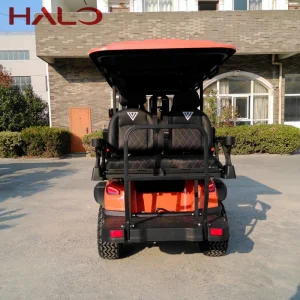
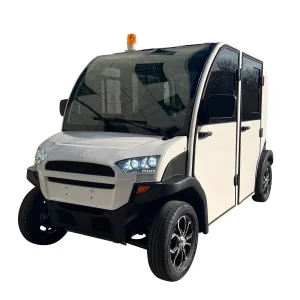
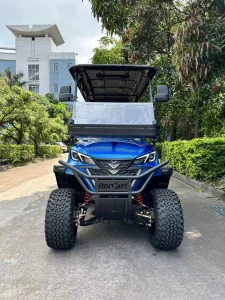
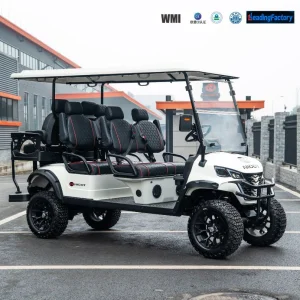
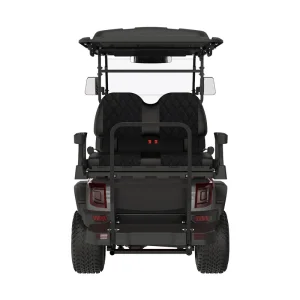
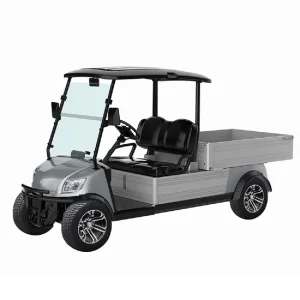
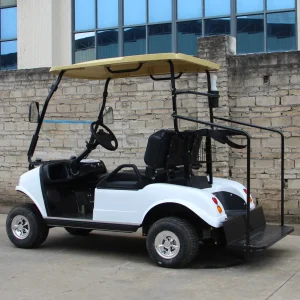
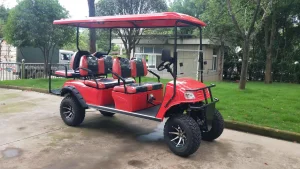
Premium selection of customized industrial electric cargo vehicles, LSVs, and material-handling units engineered for performance.

Analyzing key drivers shaping the future of low-speed electric utility vehicles (LSEVs) and intra-facility industrial logistics.
The global transition from traditional flooded lead-acid batteries to lithium-iron-phosphate (LiFePO4) is rapidly accelerating. Lithium solutions reduce overall vehicle weight, charge 3x faster, require zero maintenance, and offer up to 3,500 charging cycles compared to just 500 for lead-acid. This transition directly translates to a lower Total Cost of Ownership (TCO) for commercial operators.
Modern warehouses, campuses, and airports are demanding integration-ready vehicles. Modern chassis design incorporates steer-by-wire and drive-by-wire technologies. This layout enables seamless conversions to Automated Guided Vehicles (AGVs) and autonomous shuttles. Factories that build AGV-compliant platforms are winning large-scale industrial contracts.
Solar-powered electric utility carts are no longer prototypes. By integrating lightweight, flexible monocrystalline solar cell roofs into utility vehicles, operators can continuously trickle-charge vehicles. This technology extends the daily operational window by up to 20-30%, which is ideal for expansive resorts, solar farms, and municipal maintenance parks.
Uncompromising quality and technological innovation in the Chinese electric utility vehicle export sector.
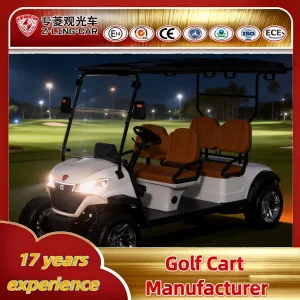
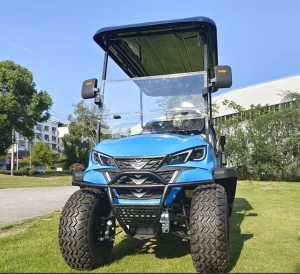
Shenzhen Golvaris Car Co., Ltd. is a professional China EV Golf Cart Factory specializing in the design, manufacturing, and export of high-performance electric golf vehicles. With a strong focus on innovation and reliability, Golvaris delivers a full range of solutions including lithium battery golf carts, street legal low-speed vehicles (LSVs), and off-road electric golf carts tailored for diverse applications.
Backed by an experienced engineering team and advanced production facilities, the company integrates cutting-edge lithium battery technology to ensure longer driving range, faster charging, and reduced maintenance costs. Golvaris products are widely used in golf courses, resorts, residential communities, campuses, industrial parks, and tourism destinations worldwide.
Committed to quality and international standards, all vehicles are manufactured under strict quality control systems and can be customized to meet different market regulations and customer requirements. From 2-seater to 6-seater configurations, as well as utility and specialty models, Golvaris provides flexible OEM and ODM services to global partners. Driven by the vision of sustainable mobility, Shenzhen Golvaris Car Co., Ltd. continues to innovate in eco-friendly electric transportation, helping clients achieve efficient, low-emission, and cost-effective mobility solutions.
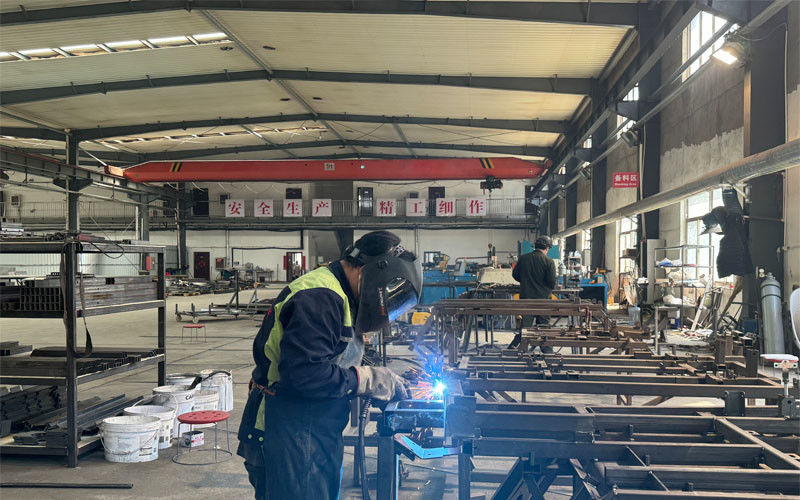

A data-driven decision-making matrix for sourcing managers evaluating global vehicle manufacturers.
When purchasing utility vehicles for heavy-duty industrial or public passenger transport, sourcing departments must look beyond the initial purchase price. The evaluation matrix below outlines the critical parameters that distinguish top-tier factories from budget assemblers:
| Selection Criteria | Critical Industry Standards | Why it Matters to Fleet Operators |
|---|---|---|
| Drivetrain Efficiency | AC brushless motors with controller matching (e.g., Curtis, KDS) | Maximizes torque, lowers heat build-up, and improves energy regeneration efficiency. |
| Chassis Corrosion Resistance | Hot-dip galvanized steel or premium tempered aluminum alloy | Prevents premature frame failures in high-humidity or coastal resort regions. |
| Regulatory Certifications | DOT FMVSS 500 (USA), EEC L7e (Europe), CE MD/LVD | Guarantees legal registration as Low-Speed Vehicles (LSV) on public streets. |
| Battery Management System (BMS) | CAN-bus communicated active balance system with overcurrent protections | Prevents thermal runaway risks and optimizes overall pack longevity. |
Modern burden carriers are no longer stand-alone fleet additions; they represent integrated parts of a complex logistics system. For manufacturing plants, campuses, and multi-facility logistics systems, using electric burden carriers lowers noise pollution and eliminates tailpipe emissions inside enclosed spaces. Fleet buyers must verify that the manufacturing partner provides comprehensive diagnostic software, spare parts availability guarantees (minimum 5-year post-production), and modular wiring architectures for easy, localized maintenance.
Understanding the engineering standards of upcoming industrial utility vehicles.
Solid-state battery technology is projected to double energy density by 2028. Future fleets will enjoy twice the runtime on a single charge while drastically reducing the footprint of the battery housing inside the utility cart chassis.
Next-generation fleets utilize real-time CAN-bus telemetry. Fleet managers can remotely monitor battery state-of-charge, trace GPS locations, detect impacts, and run preemptive motor diagnostics over-the-air (OTA) to prevent downtime.
Modern designs utilize automotive-grade chassis structure, four-wheel hydraulic disc brake systems, and rollover protection structures (ROPS) to meet strict industrial workplace safety requirements (e.g., OSHA, ANSI).
Expert answers to high-intent questions raised by corporate procurement officers, fleet managers, and industrial importers.
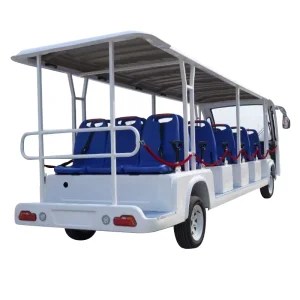
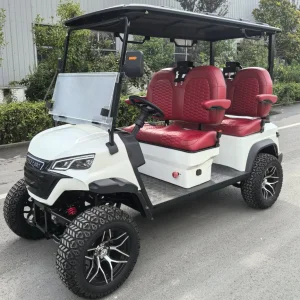
Explore our high-capacity shuttles, custom off-road utility buggies, and specialized passenger transportation solutions.

 Golvaris Car